World Sailing’s 2025 Impact Report demonstrates drive for greater inclusivity in the sport
From broadening access to lowering emissions, the latest report shows where meaningful progress is being made World Sailing, the global governing body for the sport of sailing, today released its 2025 Impact Report, offering a comprehensive overview of the federation's progress towards social inclusion across the sport, as well as environmental stewardship and social responsibility over the past year.
Building upon the baseline established in the inaugural 2024 report, the 2025 edition aligns directly with the commitments set out in World Sailing’s overarching strategy, Ready for the Future 2025–2029.
The 2025 report details key achievements in expanded community outreach and growing partnerships across the global sailing community, as well as increased environmental footprint tracking against the established benchmarks.
"Our second annual Impact Report reflects a continued dedication to measuring our progress and holding ourselves accountable," said David Graham, CEO of World Sailing.
"As outlined in our strategy 'Ready for the Future', we measure success not only by our organisational goals, but by the tangible value we create for the global sailing community and the health of our oceans. This 2025 report demonstrates that sustainable practices, inclusivity, and competitive excellence go hand in hand."
Key highlights from the 2025 Impact Report
1. Social responsibility and inclusion
Youth Emerging Nations Programme (Youth ENP): Supported 21 athletes from 16 nations (11 female, 10 male), furthering global accessibility to the high-performance sailing pathway.
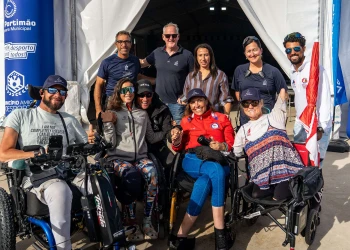
Inclusive development: 39 nations from five IPC regions now compete in Para sailing, with the inaugural World Sailing Inclusion Championships bringing together 124 sailors from 28 nations.
Gender equity: Achieved 50:50 gender balance on the World Sailing Board and advanced female representation in the sport by recording 30% female participants on World Sailing Technical Courses for Coaches.
2. Environmental stewardship
Carbon reduction: Achieved a 50% reduction in company carbon footprint compared to 2019 baseline metrics.
Clean Regattas: Expanded Clean Regattas implementation to 219 certified events globally (a 43% increase from 2024).
Waste and operations: Continued reductions in single-use plastics and support vessel emissions across World Sailing sanctioned events.
Biodiversity initiatives: Advanced marine protection efforts with the BENCHES project, alongside partners which include SL Benfica, World Athletics, the International Biathlon Union, the Italian Canoe Kayak Federation, the Sant’Anna School of Advanced Studies and Touchline.
3. Strategic and industry alignment
Sustainability Agenda 2030: Successfully met 17 out of 32 key targets outlined in the Sustainability Agenda 2030 since 2018, ahead of schedule.
Alignment maintained with both the International Olympic Committee (IOC) Sustainability Strategy and the United Nations 2030 Agenda for Sustainable Development.
Ongoing sustainability efforts received international recognition through a Highly Commended distinction at the IOC Climate Action Awards in the International Federation category.
Looking forward
"By transparently reporting on our progress and challenges, we aim to provide a clear blueprint for Member National Authorities (MNAs), sailing clubs, and event organisers worldwide," added David Graham, World Sailing CEO. "Our impact is driven by collective action across every tier of the sport."
The release of the 2025 Impact Report reinforces World Sailing's long-term commitment to ocean health, inclusion, and accountability as the sport drives toward its 2030 goals.
The full World Sailing 2025 Impact Report is available to view and download from the World Sailing website.