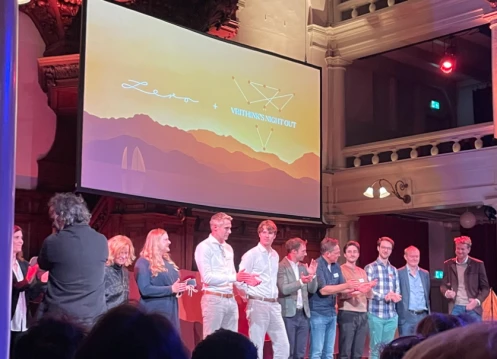
VriThink’s Night Out 2025: the night Amsterdam looked into the future of yachting
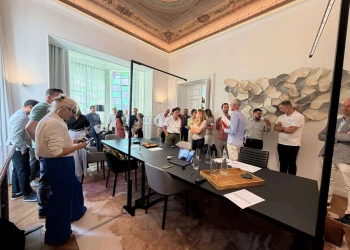
Amsterdam’s Rode Hoed was buzzing on Monday night as VriThink’s Night Out returned with its signature mix of creativity, provocation and high-velocity storytelling. Eleven speakers, six minutes each, twenty slides timed at twenty seconds apiece: the format was as unforgiving as it was electrifying. And this year, the stakes were higher than ever. Vripack Yacht Design partnered with Sailing Yacht Zero, the industry’s most ambitious renewable-energy vessel, to pull back the curtain on a seven-year design journey ahead of its 2026 launch.
VTNO has always positioned itself as a platform for future-thinking, but 2025 marked a shift. It revealed a blueprint for a new era of yacht design, driven by transparent open-source collaboration and an insistence on sharing both breakthroughs and failures. Sailing Yacht Zero’s ethos, make it open, make it collective, make it count, infused every moment of the evening.
Science and creative transparency collide
Since 2019, Vripack and an international ecosystem of shipyards, designers, naval architects, engineers, scientists and academics have been building something unprecedented: the first vessel of its size and comfort level powered entirely by renewable energy. In the words of Vripack co-creative director Marnix Hoekstra, “It’s time for the ultimate mind connection.”
That connection unfolded in rapid-fire succession as eleven speakers took the stage, each delivering a slice of the Sailing Yacht Zero journey. Ana Pimenta of Foundation Zero explored purpose-driven thinking and the urgency of designing vessels that are both beautiful and ethically grounded. Mark Leslie-Miller of Dykstra Naval Architects delved into the possibilities of electrical harvesting and hydrogeneration, showing how future yachts will treat the ocean not only as a medium to cross but as a source of clean power. Bob van Someren, also from Foundation Zero, introduced innovations in thermal energy storage, revealing how heat, usually wasted, can be captured and reused. Professor Ricardo Zozimo of Universidade Nova de Lisboa examined how Project Zero could become a catalyst for systemic change across broader industries.
Finally, a cohesive narrative emerged about how this project is a test case for a mindset shift where collective learning advances everyone.
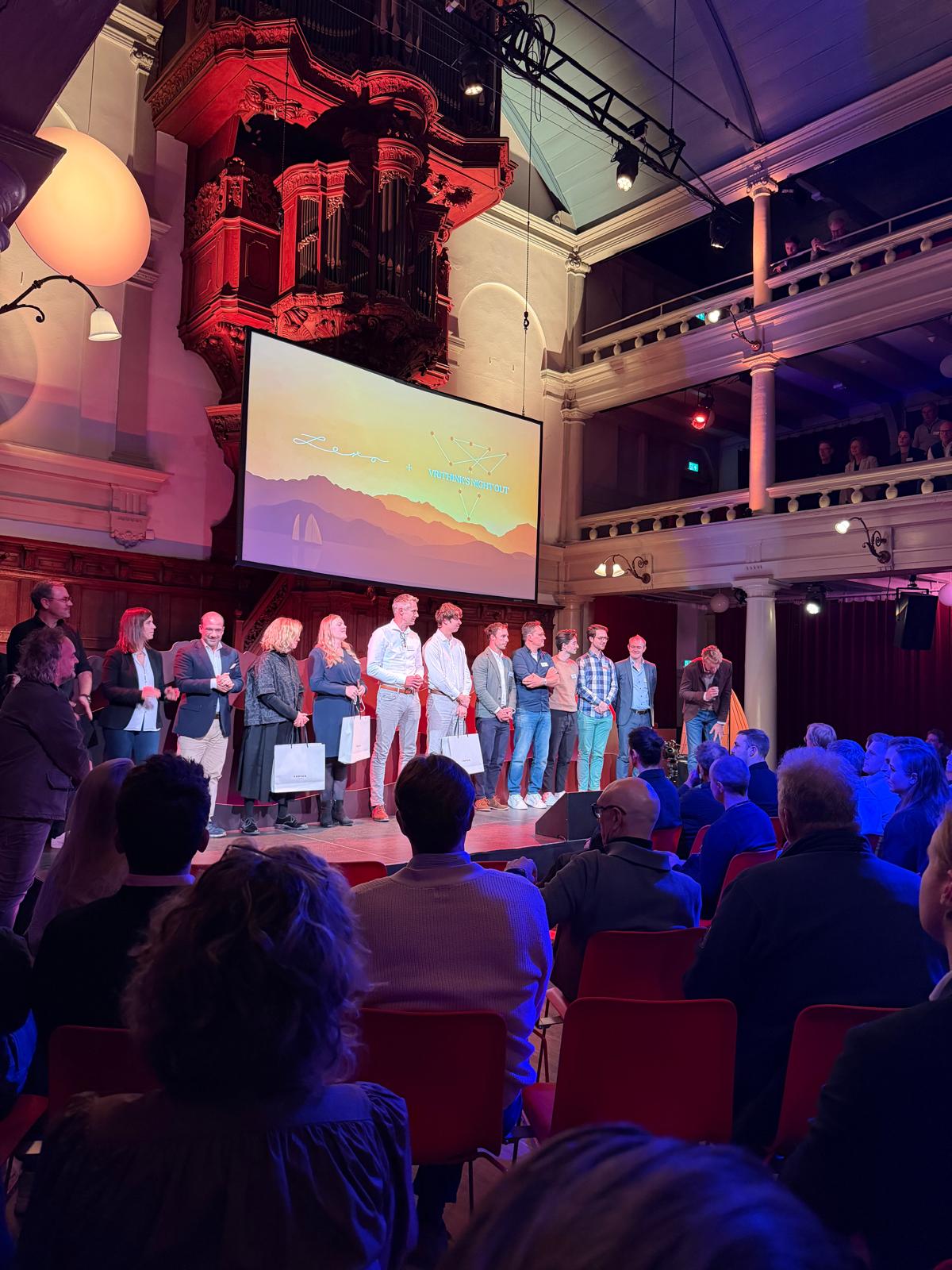
When the room breathes the same idea
As the slides raced and the speakers sprinted through their stories, a sense of momentum filled the auditorium. Far from the buttoned-up energy of traditional yacht conferences, VTNO felt more like a creative studio opened to the public. An incubator for new ways of thinking, powered as much by the audience as by the speakers.
Topics ranged from energy harvesting to AI-driven modelling, from the value of digital twins to the psychology of innovation. Some presentations dove into technical complexity; others took a philosophical turn, questioning how the industry defines sustainability and responsible progress.
As the event closed, the sense of shared inspiration was unmistakable. Conversations lingered long after the final slide. VTNO 2025 demonstrated what is possible when an industry that often works behind closed doors opens the door instead, wide enough for everyone to step inside.
Rebecca Gabbi
©PressMare - All rights reserved