Strait Hormuz what crisis means for superyachts
Strait of Hormuz: what the crisis means for superyachts


The closure of the Strait of Hormuz is no longer a theoretical risk on slides at a conference; it is an everyday reality for commercial shipping and, increasingly, for the superyacht world. The recent escalation between Iran, the US and Israel has turned one of the world’s most strategic maritime chokepoints into a high‑risk zone, with direct consequences for yacht operations, insurance and contracts across the wider Gulf region.
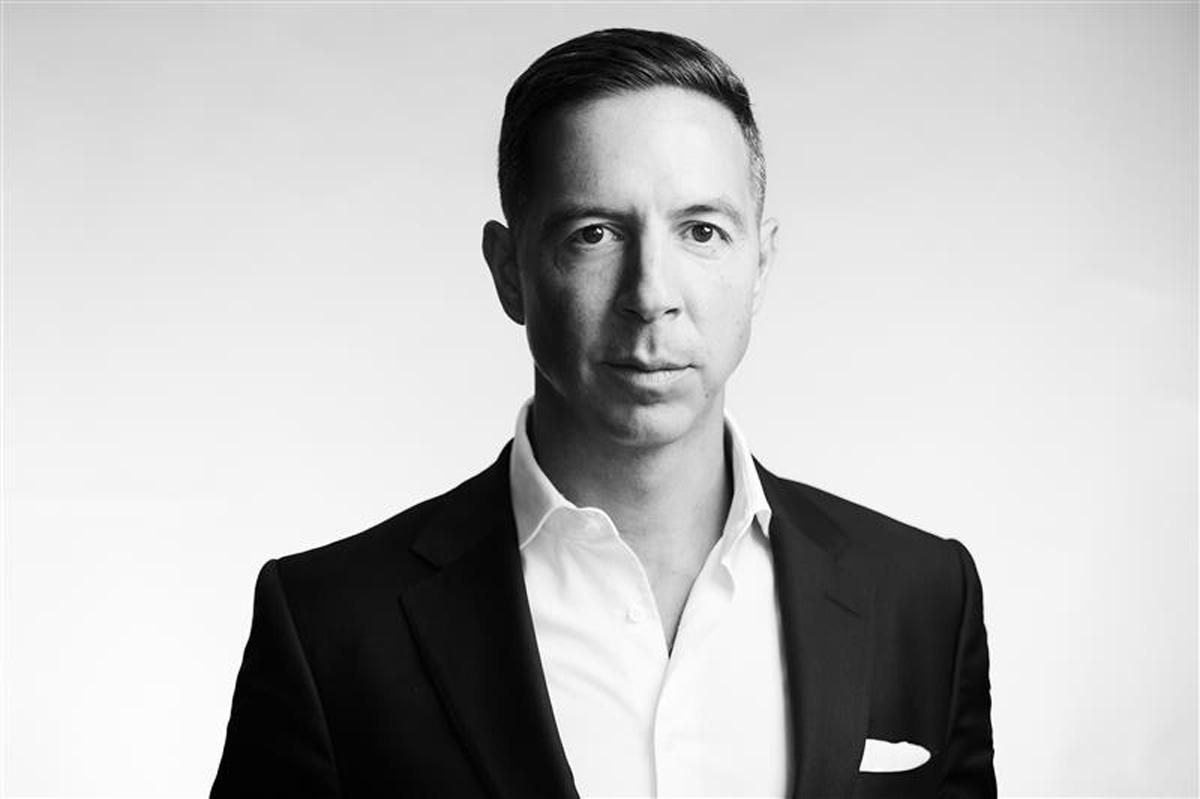
To understand what this means in practice for owners, captains and charterers, PressMare spoke with Menelaus Kouzoupis (MK), Partner at Stephenson Harwood in Dubai and head of the firm’s Superyacht practice in the MENA region. A specialist in marine, trade and energy law, he advises owners, banks, shipyards and operators on complex disputes and high‑value yacht projects.
A legally open strait that is practically closed
Kouzoupis starts from a key distinction: the difference between legal theory and operational reality.
From a legal perspective, the Strait of Hormuz is an international transit passage. That means coastal states, including Iran, cannot lawfully close it to foreign shipping, even in times of war. In principle, every state’s vessels retain a right of passage.
On the water, however, the picture is starkly different. After retaliatory strikes, Iran has treated the strait as closed and has enforced that position with attacks on vessels attempting to transit. While the primary targets have been tankers and commercial ships, the effect is the same for yachts: the risk of a passage in or out of the Gulf is now exceptionally high.
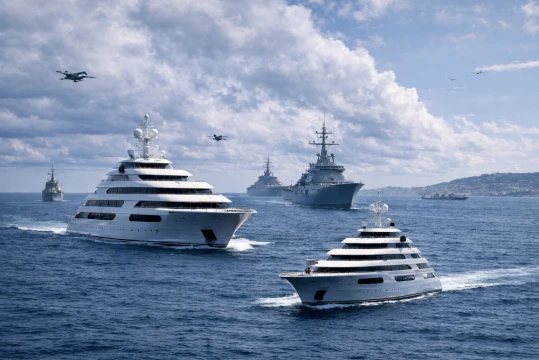
Kouzoupis notes that thousands of vessels are effectively trapped either inside the Arabian Gulf or on the approaches, among them a number of large yachts over 60 metres. Some are in their home marinas and not “stuck” in the strict sense, but for now there is no safe, insurable way to move in or out. The result is a sudden freeze of mobility for an emerging superyacht hub that had been investing heavily in marinas, infrastructure and itineraries.
Insurance shock: from marginal surcharge to major cost
If the navigational risk were not enough, the war‑risk insurance market has shifted just as sharply.
Before the current conflict, the Strait of Hormuz was already classified as a high‑risk area, and additional war premiums were a known cost of doing business. Those surcharges were relatively modest: a small fraction of hull value for a single transit.
Today, Kouzoupis explains, the equation has changed. For some vessels it is difficult to obtain war‑risk cover at all, and where cover is available, premiums have multiplied. For a 50‑million‑euro yacht, what used to be a manageable marginal cost has become a significant line item. For a 200‑ or 300‑million‑euro asset, the numbers are large enough to influence decisions about whether a yacht remains in the region, repositions elsewhere or lays up.
This combination of physical risk and insurance uncertainty is pushing many stakeholders to pause movements, review their exposure and reconsider both short‑term itineraries and longer‑term deployment strategies.
Different rules at sea: commercial ships vs superyachts
The crisis is also highlighting how differently war risk is handled in commercial shipping contracts compared with superyacht charters.
In the commercial world, standard war‑risk clauses are detailed and technical. They define what counts as a war‑like situation, when a master can refuse orders, how charterers must respond with alternative voyage instructions, and when deviation is justified. Crucially, rights often depend on timing: if a ship accepts an instruction to load or discharge in a high‑risk area, it may later be difficult to rely on war‑risk clauses unless the risk level has clearly and significantly changed since that decision.
Superyacht charters, by contrast, tend to give captains much wider discretion. Typical forms allow the captain to change or abandon an itinerary, avoid an area or head for the nearest safe port whenever, in their professional judgement, safety is at stake. That flexibility is positive from a safety and seamanship perspective, but it can leave open questions about who bears the financial consequences when a cruise cannot proceed as planned.
Contracts that need to grow up
For Kouzoupis, one of the clearest lessons of the crisis is contractual: many yachting agreements are simply not built for this level of geopolitical volatility.
Standard charter forms often used in yachting are relatively short and, in his view, not specific enough on key points. They may lack:
Robust force majeure language adapted to modern conflict and sanctions risk.
Clear rules on what happens to hire if a conflict forces a change of itinerary, early termination or return to home port.
Express cancellation rights and pre‑agreed contingency itineraries if a region becomes unsafe or inaccessible.
He contrasts this with cruise operators, who routinely build in detailed contingency plans: alternative ports and routes are defined in advance, and contracts typically grant clear rights to change itineraries or cancel voyages when circumstances demand. They also back this up with dedicated crisis‑management teams, security staff on board and continuous monitoring of geopolitical developments.
By comparison, superyacht operations remain more informal and fragmented, even though the value of individual assets rivals or exceeds that of many cruise ships. Brokers, managers and owners may each have parts of the picture, but without structured information‑sharing and agreed playbooks, responses to fast‑moving crises risk being improvised.
Beyond war risk: navigation and perception
Not all risks are strictly legal or financial. Kouzoupis points to a quieter but critical operational issue: interference with navigation systems.
In and around the Gulf and the Strait of Hormuz, there have been numerous reports of GNSS and GPS jamming or spoofing. Vessels may see their electronic position jump suddenly, appear shifted on charts or even “move” inland on screens while physically remaining at sea. Automatic identification systems can also be affected, complicating traffic awareness and collision avoidance.
For professional crews, this means a return to fundamentals: paper charts, radar, visual bearings and manual cross‑checks become essential again. In a region already tense due to military activity, operating with degraded electronic navigation adds a further layer of pressure.
At the same time, the crisis is inevitably affecting how owners and charter guests perceive the wider region. The Gulf has worked hard to position itself as a luxury destination, with world‑class marinas, hotels and services. A prolonged period of conflict and uncertainty risks slowing the growth of yacht tourism, at least in the short term. Yet Kouzoupis also sees a determination in regional stakeholders to eventually restore confidence and continue building a sustainable superyacht hub once conditions allow.
A luxury industry facing hard realities
Perhaps the most striking element in Kouzoupis’ account is how quickly life under tension can begin to feel routine. Hearing fighter jets overhead, monitoring missile alerts, dealing with office closures near potential targets – these are not scenarios normally associated with the superyacht lifestyle.
And yet they are now part of the backdrop for an industry that, by definition, operates globally and cannot avoid geopolitics. The Strait of Hormuz crisis is forcing owners, managers, captains and their advisors to think differently about risk, resilience and responsibility.
For the yachting world, the challenge is clear: bring contracts, insurance and operational practices up to the level of complexity in which these yachts already sail, without losing the sense of freedom and enjoyment that makes them desirable in the first place.
Filippo Ceragioli
©PressMare - All rights reserved