Raven and Be Cool set to headline the 2026 RORC Transatlantic Race
The 2026 RORC Transatlantic Race, starting from Marina Lanzarote on 11 January, will showcase one of the most fascinating contrasts in modern offshore sailing. Lining up together on the start line will be two extraordinary yachts that could not be more different in philosophy, execution and feel, yet are united by a shared ambition to race cross the Atlantic fast, safely and competitively.
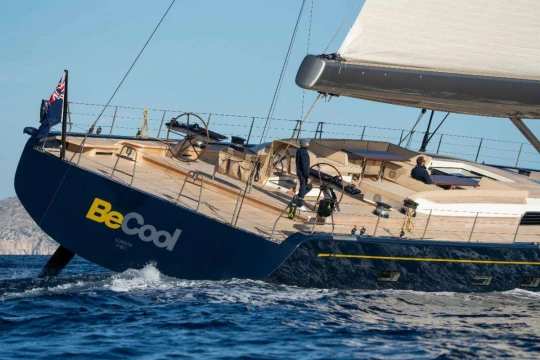
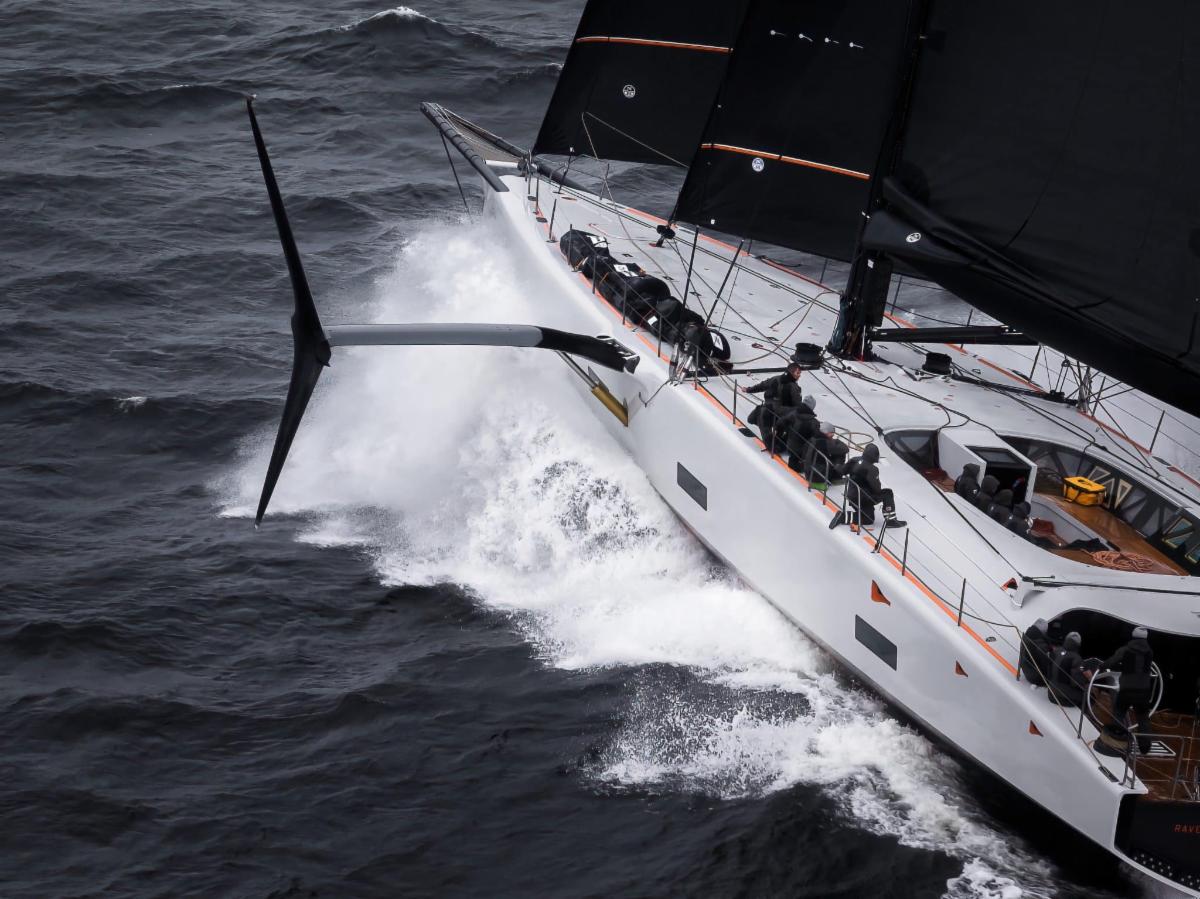
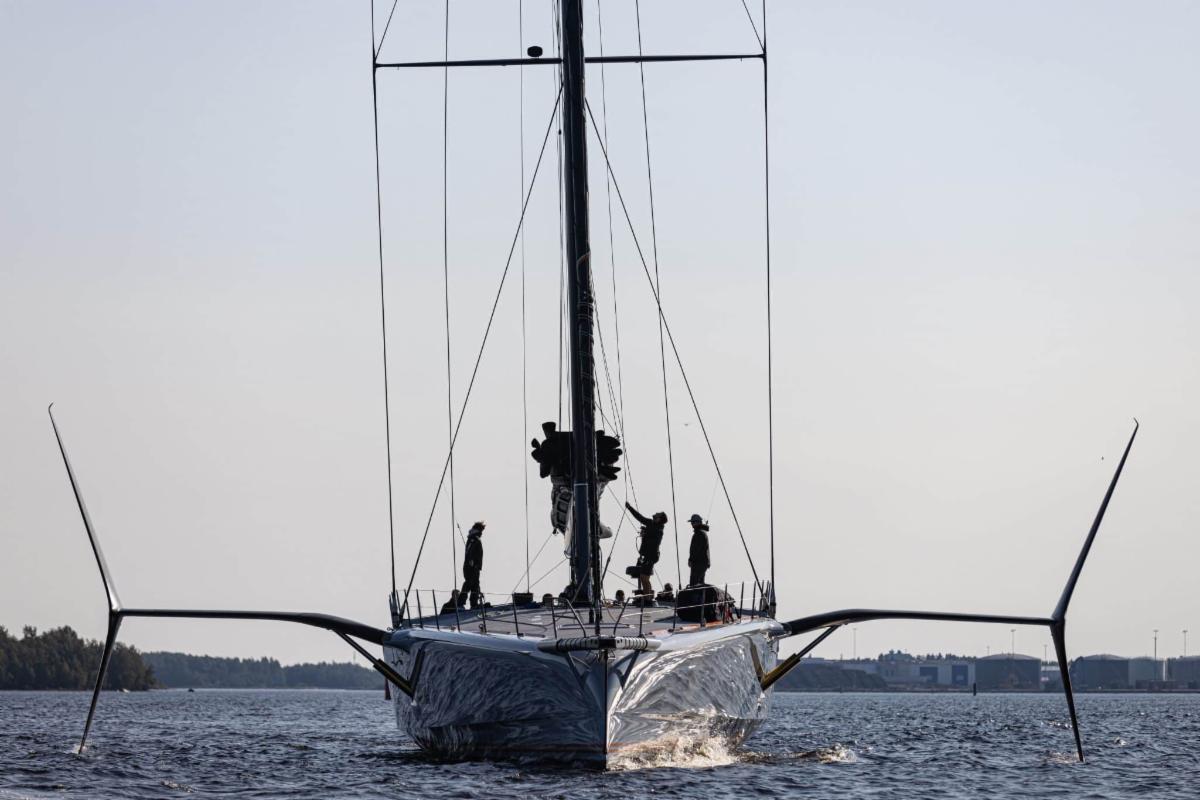
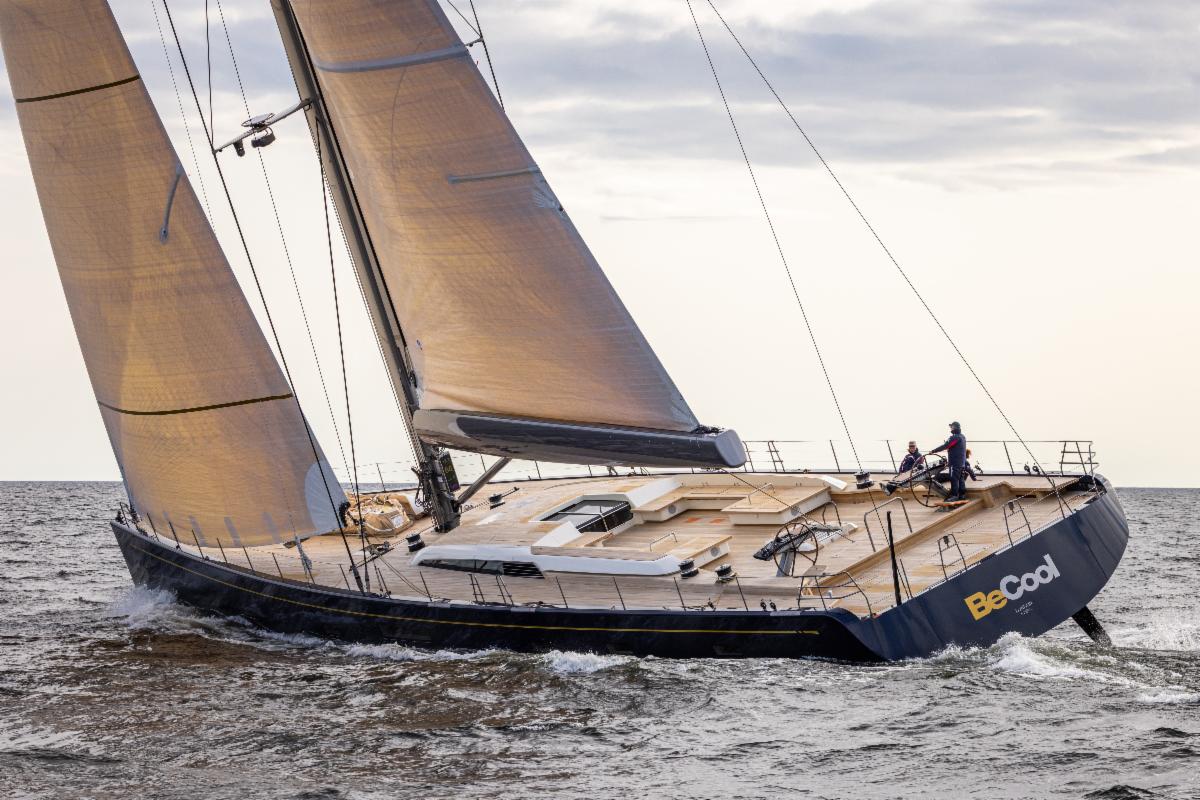
On one side is Raven, the 34 metre Baltic 111 is at the cutting edge of offshore design. She is light for her length, foil assisted and engineered to sustain extraordinary speeds for days at a time. On the other is Be Cool, the Swan 128, a powerful performance superyacht drawn by German Frers that blends refined ocean cruising, owner sailing and serious performance pedigree into a single elegant platform.
Together, they underline exactly what makes the RORC Transatlantic Race so compelling. It is not a one dimensional speed contest. It is a race that rewards vastly different interpretations of offshore performance, where design philosophy, seamanship and decision making matter as much as outright pace.
Raven: Sustained speed, modern thinking and a first true test
Although Raven has already crossed the Atlantic twice and logged more than 18,000 nautical miles offshore, the 2026 RORC Transatlantic Race will mark her first competitive transatlantic campaign. For project manager Klabbe Nylof, that moment has been a long time coming.
“This is really the first time we are putting Raven into a proper offshore racing environment,” says Nylof. “We have done long passages, we have pushed the boat hard, but a race like this asks different questions. It is about consistency, resilience and learning how the whole system works under pressure for many days in a row.”
Designed by Botin Partners, Raven is the first yacht of her size purpose-built with adjustable side mounted hydrofoils to generate righting moment, combined with around 10 tonnes of water ballast. The concept allows the yacht to prioritise average speed rather than headline top speed. Raven has already exceeded 30 knots and, more importantly, can sit comfortably between 25 and 27 knots for long periods, opening the door to 600 mile days in the right conditions.
Nylof is keen to stress that the philosophy was never about chasing records at all costs. “The original idea from the owner was not to build a pure race boat,” he explains. “It was to create a fast modern superyacht that pushed boundaries but remained robust and usable. What surprised us was just how efficient the platform became once we started sailing her properly.”
That balance between innovation and redundancy remains central to Raven’s transatlantic ambitions. “The boat is still strong and controllable even without foil assistance,” Nylof says. “That is very important offshore. You need confidence that the yacht can look after you if something is damaged or conditions change.”
With Damien Duchon skippering, Will Oxley navigating and crew boss Brad Jackson assembling a highly experienced offshore team, Raven arrives with both confidence and realism. “We are not coming in saying we know everything,” Nylof admits. “This race is about learning, proving reliability and unlocking the next phase of what Raven can do.”
Be Cool: Refined power, luxury and a different kind of performance
If Raven represents the sharp edge of offshore innovation, Be Cool brings a very different but equally compelling interpretation of transatlantic racing. At 36 metres long and displacing around 136 tonnes, the Swan 128 is a true performance superyacht, designed to sail long distances with authority while remaining manageable, elegant and rewarding to sail.
For Luca Serra, Be Cool’s Boat Captain, the RORC Transatlantic Race is a natural next step. “This will be the first competitive race for Be Cool, but the project itself is very experienced,” he says. “We have already sailed more than 5,000 nautical miles, including from Finland to the Mediterranean. Now it is time to test the boat properly in a serious offshore race.”
Serra previously held the same role aboard the Swan 98 Be Cool, and he is clear that the 128 represents a fundamental evolution. “The concept is completely different,” he explains. “The interior layout is reversed with the owner forward and crew aft. Sailing wise, we removed the structural backstay and added a self-tacking jib. The goal was to make the boat easier, safer and more enjoyable to sail, including for the owner.”
Unlike Raven, Be Cool carries no water ballast and relies instead on displacement, sail plan and hull form to deliver performance. Her top speed sits around 17 to 18 knots, but what matters offshore is her ability to maintain a steady average of around 12 knots and produce consistent 350 mile days. Under IRC, Raven gives Be Cool more than 700 seconds per hour, underlining just how different their performance profiles really are.
Crew selection reflects the same philosophy. “We want to keep the spirit of a friends boat,” says Serra. “There will be four or five top professional sailors, but we are not building a superstar team. This boat is about cohesion, experience and respect for how we want to sail her.
The crew will sail in three watches of five, with clear watch captains and a strong emphasis on routine. “Good watches, good communication and good habits matter more than raw aggression over 3,000 miles,” Serra says. “That is where races like this are really won or lost.
Two paths, one proving ground
What unites Raven and Be Cool is the nature of the race itself. The RORC Transatlantic is not a straight line drag race. It demands weather judgement, sail management, discipline and the ability to keep a boat and crew functioning for days at nights, racing across the Atlantic Ocean.
For Nylof, that is exactly the appeal. “This race strips everything back,” he says. “It is about how well you manage the boat, the systems and the people. That is the real test.”
Serra agrees. “Crossing the Atlantic in company, in a proper race, makes sense,” he says. “It is safer, more interesting and far more meaningful than doing it alone. This is where you really learn about a boat.”
In many ways, Raven and Be Cool frame the modern offshore conversation perfectly. One pushes the frontier of sustained speed using foils and cutting edge design. The other demonstrates how a refined performance superyacht can cross an ocean competitively while remaining versatile, comfortable and owner focused.
Different boats. Different philosophies. Same ocean
The RORC Transatlantic Race, in association with the International Maxi Association and Yacht Club de France, will start from Marina Lanzarote on 11 January 2026. With more than 20 teams already entered, including some of the most remarkable yachts afloat, the stage is set for another unforgettable crossing.