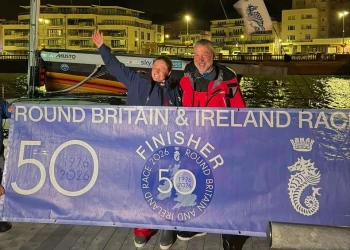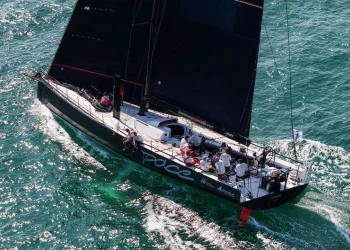
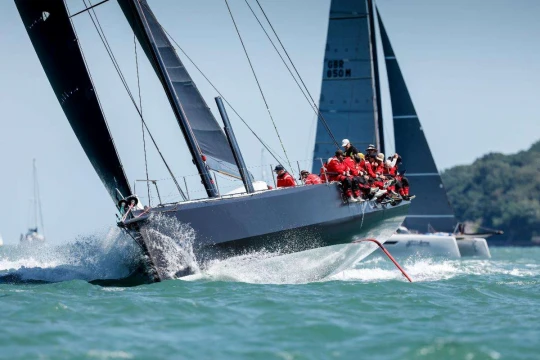
The 50th anniversary of the RORC Round Britain and Ireland Race brings together offshore legends and the latest racing designs © Paul Wyeth/RORC
RORC Round Britain and Ireland Race 2026, the battle at the front
Life in the fast lane of the 2026 RORC Round Britain and Ireland Race features powerful monohulls in IRC Zero chasing both Line Honours and victory on IRC corrected time, while the box-rule Class40 division will be decided by the simple measure of which boat is first to finish.
From proven Volvo 70 power and radical offshore designs, to the latest scow-bow Class40s, the leading contenders will be among the headline acts of the 50th anniversary edition.
The monohull race record for the 1,805-nautical-mile course is a formidable one. Ian Walker’s VO65 Abu Dhabi Ocean Racing - Azzam completed the storm-lashed 2014 race in 4 days, 13 hours, 10 minutes and 28 seconds, averaging more than 16 knots around one of offshore racing’s most demanding courses.
Ratified by the World Sailing Speed Record Council, the benchmark has stood for 12 years. Breaking it will require not only a very fast boat, but the right weather across almost the entire course.
IRC Zero - The Heavy Hitters
IRC Zero is led on rating by Johnny Vincent’s Volvo 70 Pace, followed by Jens Kellinghusen’s Ker 56 Varuna VI and Antoine Magre’s radical Mach 50 Palanad 4.
Those three form the headline contest for Line Honours and could also challenge for the overall win under IRC. They represent very different approaches to outright speed and corrected-time performance, with the outcome likely to depend on which team makes the most of the conditions when its opportunity arrives.
Valdo Dhoyer and Charles Houal’s French-flagged Volvo 60 Challenge Ocean brings proven round-the-world pedigree and ocean-racing experience. Based in Lorient, the Challenge Ocean programme has campaigned the former Whitbread design in major offshore races, including the 2022 RORC Transatlantic Race.
Graeme Lewis’s legendary British maxi Venomous, co-skippered by Clipper Race-winning skipper Chris Brooks, completes a compact but varied class in which the biggest boats will be expected to set the pace.
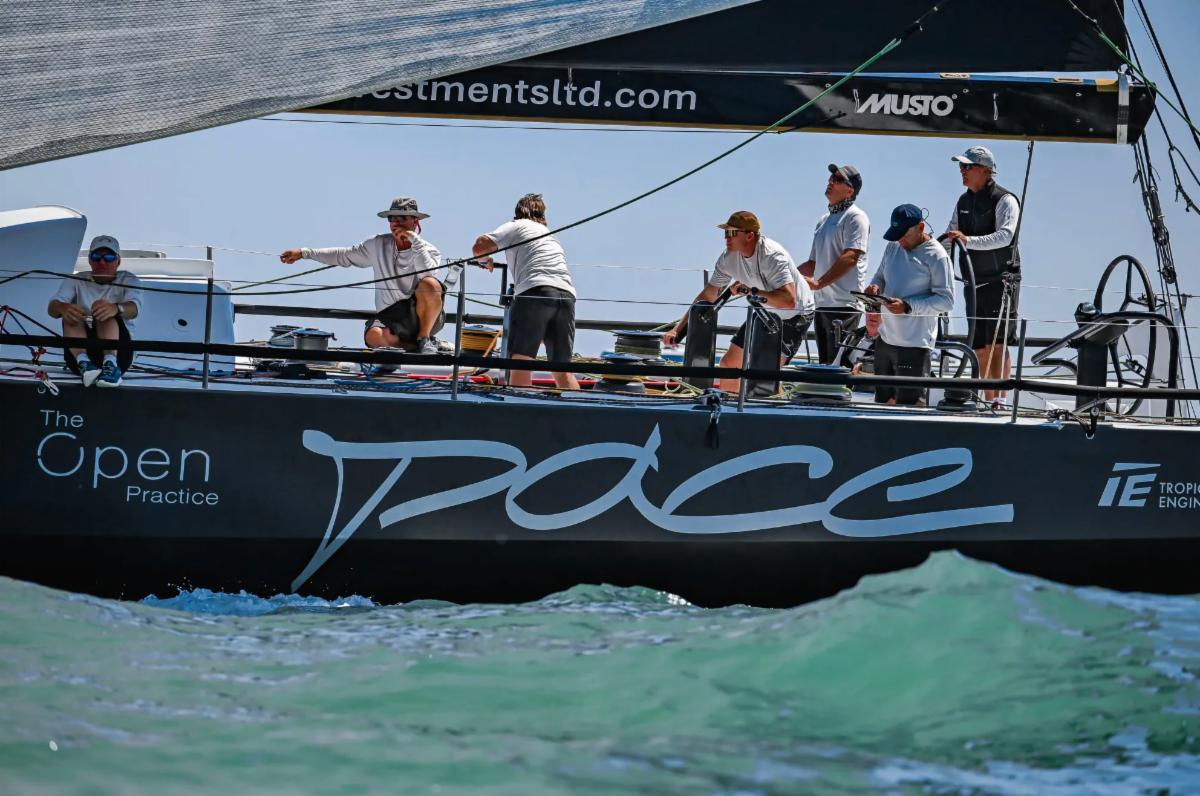
Pace - A Proven Winner Takes on a New Challenge
Stu Bannatyne brings one of offshore sailing’s most formidable records to Johnny Vincent’s Volvo 70 Pace. A four-time winner of the fully crewed round-the-world race across four generations of yacht, Bannatyne has also helped secure victories in many of the sport’s greatest offshore contests. However, this will be his first Round Britain and Ireland Race.
Bannatyne is a watch captain aboard the highest-rated yacht in the fleet. Pace has a formidable crew that has sailed thousands of miles together, including fellow watch leader Neal McDonald and navigator Jules Salter. “This is my first Round Britain and Ireland Race and it is fantastic to have the opportunity to do it on a boat like Pace,” said Bannatyne. “It is a proper offshore race: 1,805 miles and the kind of course that can throw everything at you. You need to be extremely well prepared."
“We are fortunate to have a very experienced and talented crew. That gives you peace of mind when it is time to push the boat hard, but it also means you can go off watch and sleep knowing the people on deck will look after the boat while keeping the pressure on. The key will be picking our moments. When we get the power-reaching conditions that suit a Volvo 70, we will push hard and take every opportunity. There will also be times when it is prudent to back off, protect the boat and keep our powder dry.
“Pace, Varuna and Palanad 4 all enjoy similar conditions, so when the breeze comes on it will be game on. As the fleet spreads out we will have to sail our own race and keep a close eye on corrected time.
“This has been on my bucket list for a long time. There is probably no better boat on which to face a challenge like this than Pace.”
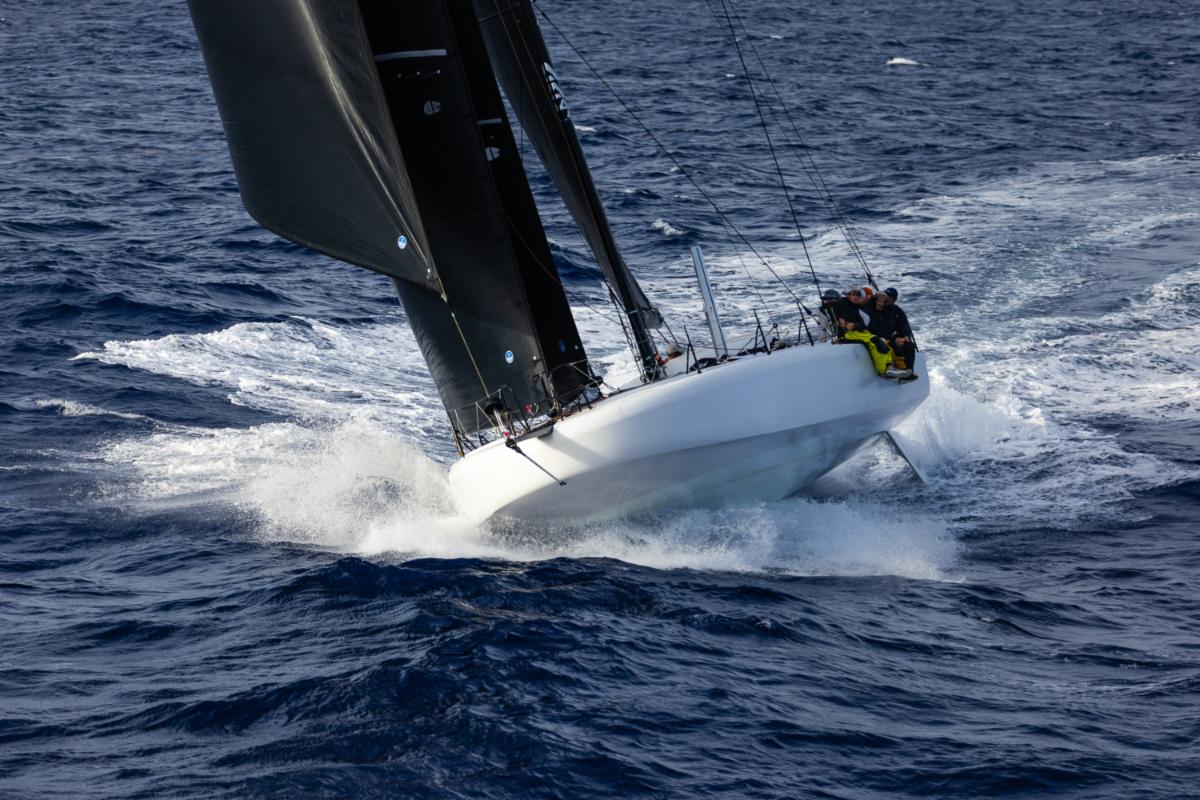
Palanad 4 - Facing Its Toughest Test
Antoine Magre’s Palanad 4 brings one of the most radical design concepts in the fleet to the 2026 Round Britain and Ireland Race.
With a scow bow, canting keel and daggerboards, the Sam Manuard design has already won major honours under IRC, including the RORC Transatlantic Race overall, IRC Zero in the RORC Caribbean 600 and the Aegean 600 overall. The Round Britain and Ireland Race course will test the boat across heavy Atlantic seas, exposed upwind legs and complex coastal waters, as well as against larger opposition.
Magre believes Palanad 4 will be at its strongest in more than 15 knots, but knows success against Pace and Varuna VI will depend on smart navigation, sail selection and keeping the boat performing throughout the race. “This is probably one of the hardest races out there,” said Magre. “There are sections where we could face very heavy weather upwind and some extremely big seas, particularly along the west of Ireland and on the way towards Muckle Flugga. It will be very interesting to see how the boat holds up in those conditions.
“We know that once the wind reaches about 15 knots, Palanad 4 is usually in business. Pace will be a major challenge and Varuna will also be very strong, so the result could come down to being smart, choosing the right places to sail and using the boat to its optimum.
“The objective is to finish and get back to Cowes as quickly as possible. We have the designer, the builder and a core group who have sailed thousands of miles together.
“In offshore racing, those human relationships are incredibly important. You need to know that you can rely on everyone, however tough or frustrating the race becomes. We are very excited to test Palanad 4 against boats with such impressive records on a great racecourse.”
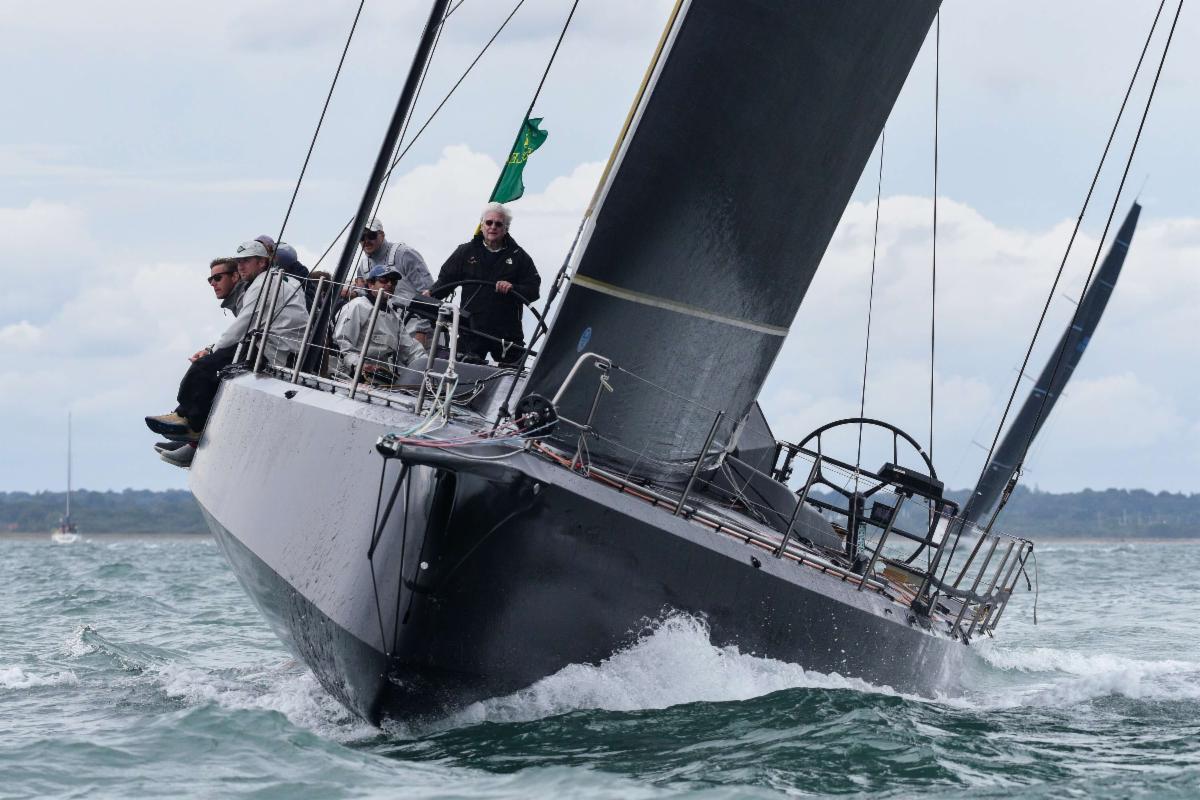
Varuna VI - The Team, the Power, the Challenge
Navigator Mike Broughton brings exceptional offshore experience to Jens Kellinghusen’s Ker 56 Varuna VI, one of the fastest yachts in the fleet and a serious contender for the overall IRC prize.
A former Royal Navy helicopter pilot, long-standing RORC member and respected weather router, Broughton has raced the world’s oceans but has never completed the Round Britain and Ireland course.
With a proven team and powerful offshore design, he sees the race as a significant challenge. “This is a unique race,” said Broughton. “I have done more than 20 trips out to the Fastnet Rock and raced all over the world, but I have never competed in the northern part of this course.
“Once you leave north-west Ireland you are heading into proper blue-water territory, past St Kilda, the Hebrides and up to Muckle Flugga at 61 degrees north. It is complex, challenging and constantly changing.
“Varuna VI is a great offshore boat. She needs some wind, but she has an exciting reaching sail inventory, and we would expect a fair amount of reaching around this course. The key is knowing when to push and when to preserve the sails, the boat and the people. Safety comes first, but this is still a race, and the decisions made early could determine what equipment you still have available near the finish.
“The final quarter through the North Sea may be especially demanding. There are wind farms, exclusion zones, sandbanks and traffic systems, all at a time when everyone will be tired. That makes it a fascinating navigational challenge.
“Racing on a great boat, with a crew I genuinely enjoy racing with, will make it very memorable.”
Class40 – Scow-Bow Favourites and a Dutch Outsider
The Round Britain and Ireland Race record for Class40 stands at 8 days, 4 hours, 14 minutes and 49 seconds. It was set in 2018 by Phil Sharp’s Imerys Clean Energy, which completed the 1,805-nautical-mile course at an average speed of more than nine knots.
With the latest scow-bow designs capable of much higher speeds than earlier-generation Class40s, the record could come under serious pressure in 2026, but only if the weather allows the fleet to maintain a fast pace around the entire course.
The Class40 winner is decided by elapsed time alone. The leading contenders include three scow-bow designs raced by skippers from Britain, America and France, plus a conventional Class40 proudly flying the Dutch flag.
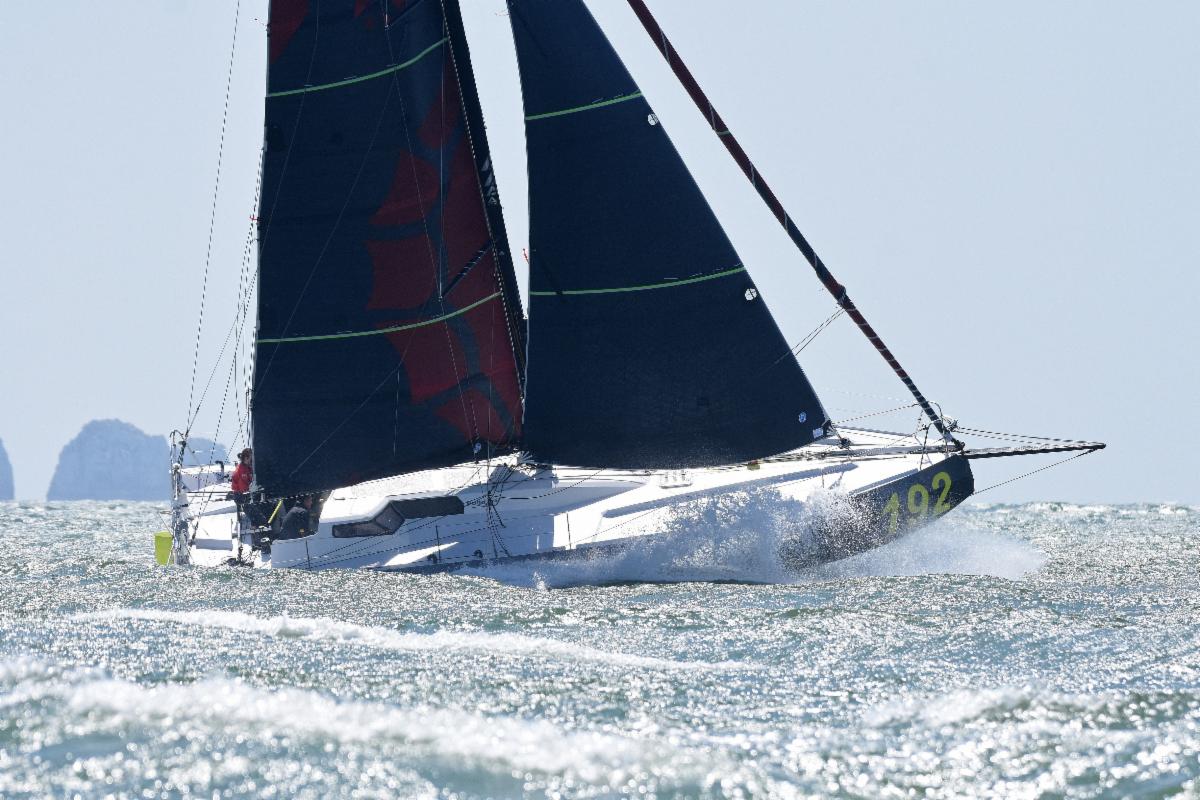
British skipper Jon Tyrrel will be at the helm of the Pogo S4 Gambit, a Verdier design launched in 2022 and distinguished by its aggressive scow bow. He will race with the same British crew that contested the 2025 Rolex Fastnet Race, including long-time sailing partner Dan Jones, plus Scottish sailors Cal Finlayson and Ruaridh Wright. They will be joined by North Sails’ Ruaridh Wright to complete an all-British team of four. Finlayson won the 2024 One Design Double-Handed World Championship with another co-skipper, while Wright brings further high-level experience to a formidable Gambit crew. Tyrrel and Jones also competed double-handed in the 2022 edition, placing fourth overall aboard the Sun Fast 3300 Wild Pilgrim.
American skipper Greg Leonard’s Mach 40.6 Swift is a 2024 Manuard design and another full scow-bow Class40. Swift’s best result to date was winning the Class40 division in the 2024 Round Ireland Race, while the boat also finished a highly respectable ninth in the 2025 Rolex Fastnet Race. French sailor Gérald Veniard will be on board, having won the Class40 division in the 2022 RORC Caribbean 600 aboard Finnimo. Vendée Globe finisher Miranda Merron completes a highly experienced crew. Merron knows the Round Britain and Ireland course better than most. A veteran of at least seven racing circumnavigations, she was part of Dee Caffari’s record-breaking all-female crew aboard IMOCA Aviva in 2009 and finished runner-up in Class40 aboard Leonard’s Kite in the 2022 race.
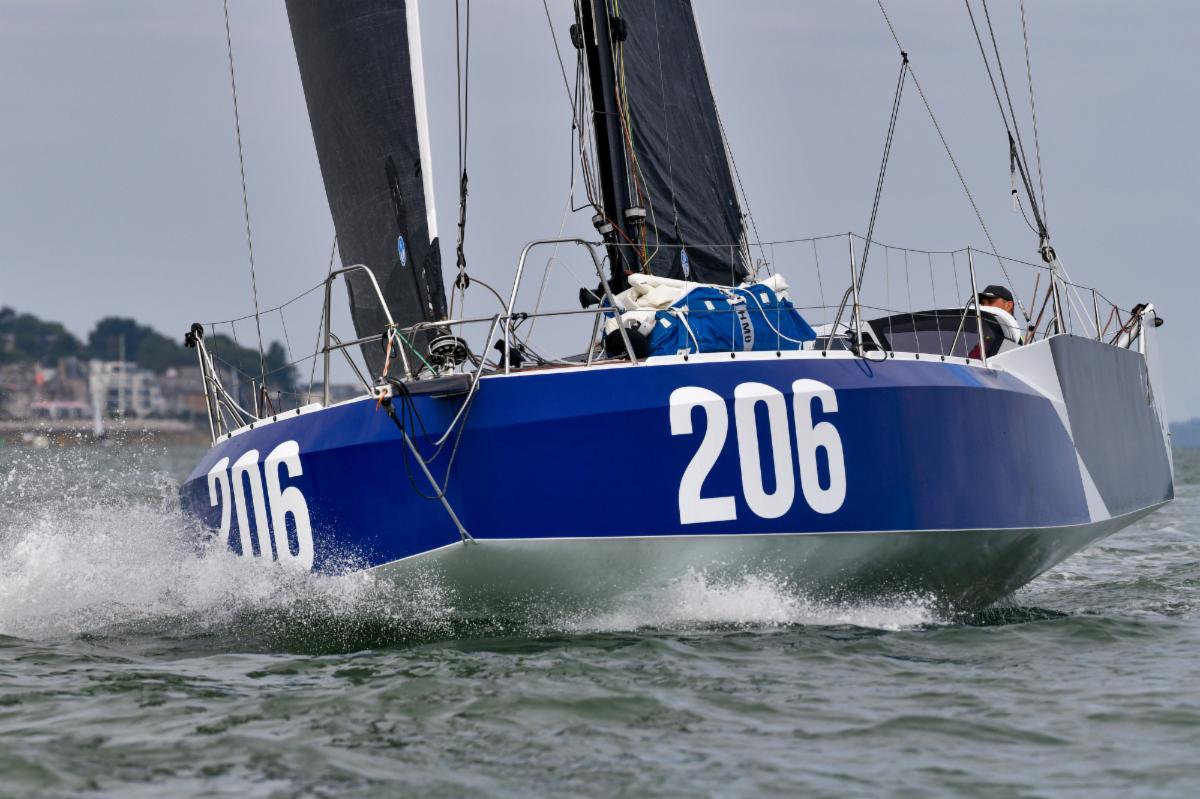
French Olympian Pierre Le Boucher sees the 2026 race as an important stage in his preparations for the Route du Rhum. He will race the Lombard-designed Lift V2 Penfret alongside 23-year-old William Hill and Mauritian sailor Benoit Mariette. Although the boat is new to Le Boucher, the 45-year-old is a formidable offshore sailor who has finished on the podium in several major races, including the 2019 Transat Jacques Vabre with Aymeric Chappellier.
While the scow-bow boats are, on paper, the fastest in the division, the familiar maxim “to finish first, first you have to finish” has particular relevance in this race. In the brutal 2014 edition, Swish was by far the oldest Class40 in the fleet. Skippered by Roderick Knowles, the British boat outlasted every newer rival as severe conditions forced all the more modern Class40 entries to retire.
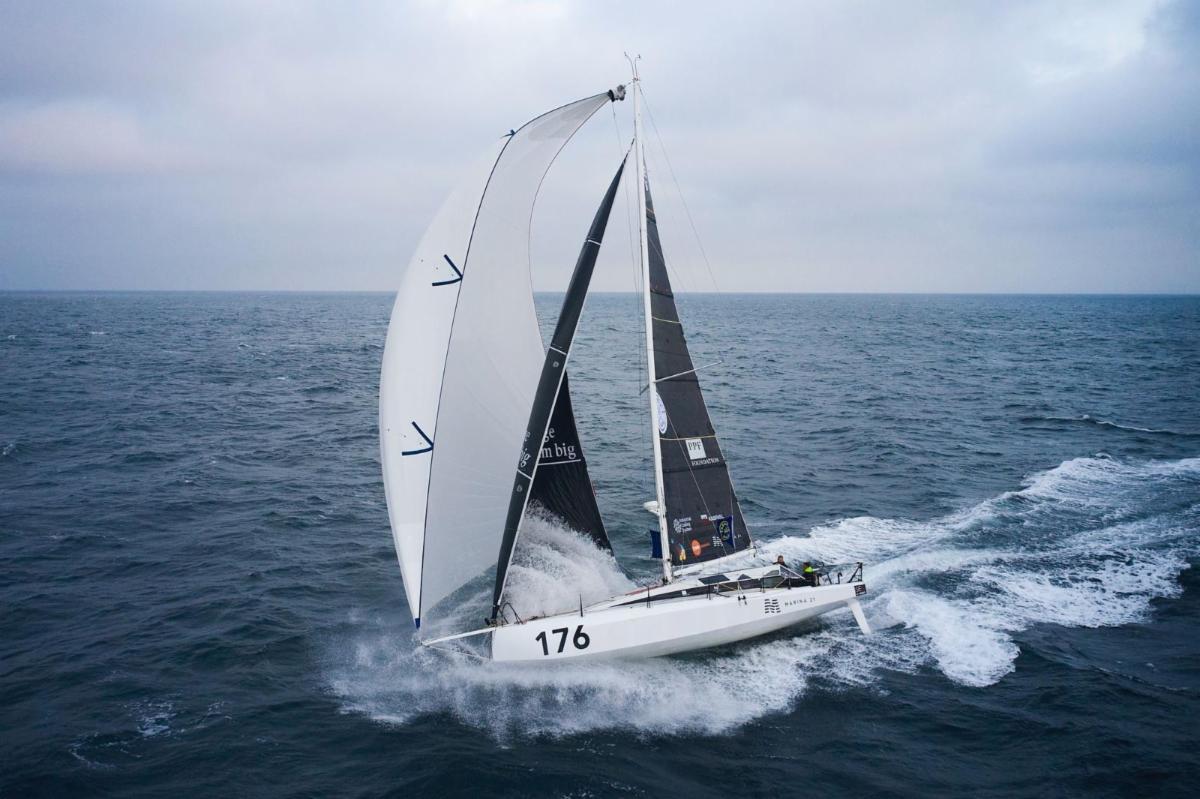
For 2026, the Dutch entry Tjoba brings a similar element of resilience and experience. Launched in 2007, the Valer-designed Class40 has a traditional bow rather than the latest scow configuration. She will be raced by Global Solo Challenge aspirant Minus Tjeenk Willink and highly experienced offshore sailor Erik van Vuuren.
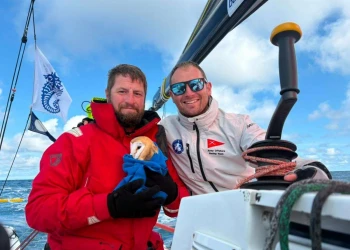
Dutch duo Minus Tjeenk Willink and Erik van Vuuren take on the challenge aboard Tjoba © Sander van der Borch
The 50th anniversary edition of the RORC Round Britain and Ireland Race starts from the Royal Yacht Squadron Line on Sunday 9 August, with all 33 boats receiving their warning signal at 13:20 BST - Then the adventure begins.