The European Ocean Race 2025
The European Ocean Race in Matosinhos-Porto: More Than Just a Stopover


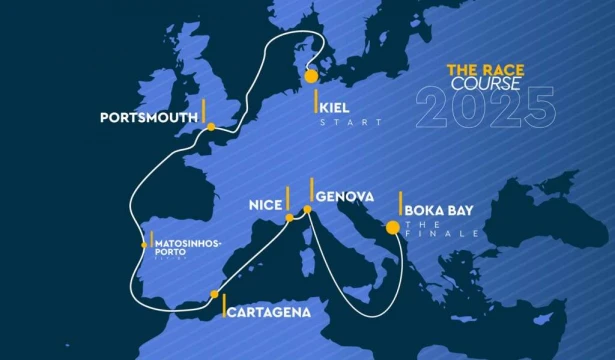
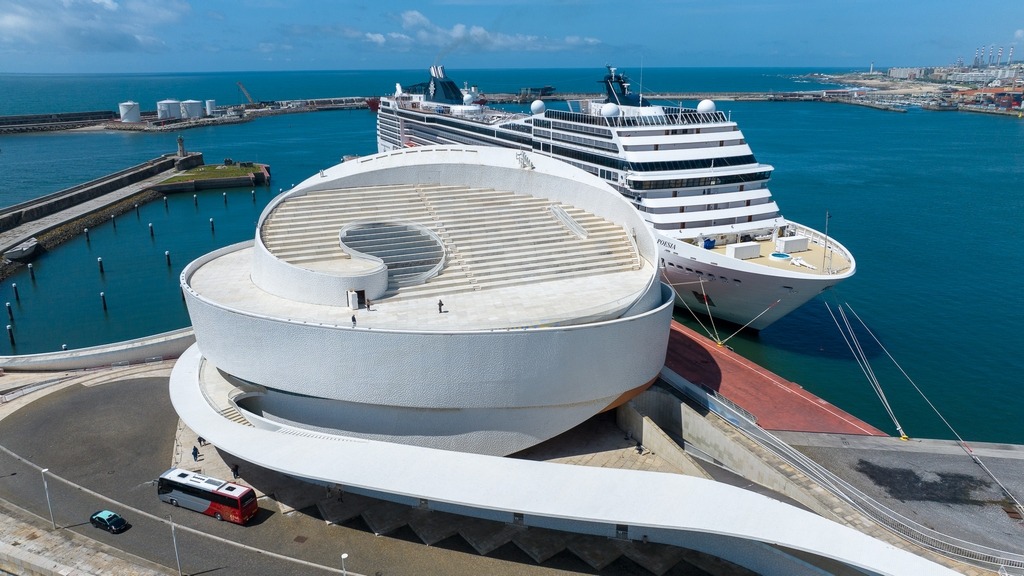
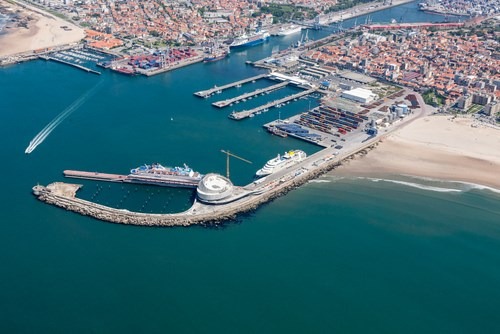
The futuristic cruise terminal designed by Portuguese architect Luis Pedro Silva has become the reference point of The Ocean Race Europe 2025 for the Matosinhos-Porto fly-by. This is the stopover planned by the organizers for the seven teams before completing the second leg, from Portsmouth (GBR) to Cartagena (ESP), a course of 1,400 miles.
Among those arriving were Italy’s Francesca Clapcich on Malizia, finishing third, and Ambrogio Beccaria on Allagrande Mapei, who crossed the line in fifth. “We lost some ground making an inshore tack near Cape Finisterre. Unfortunately, we weren’t able to recover afterwards,” commented Clapcich. Beccaria added: “We sailed very badly, and the boats that have already restarted will increase their lead over us. But we are still waiting for the outcome of the protest regarding the starting-line collision with Holcim. If one of the two boats is deemed completely not responsible, redress could be granted. We remain fully focused on improving at every stage.”
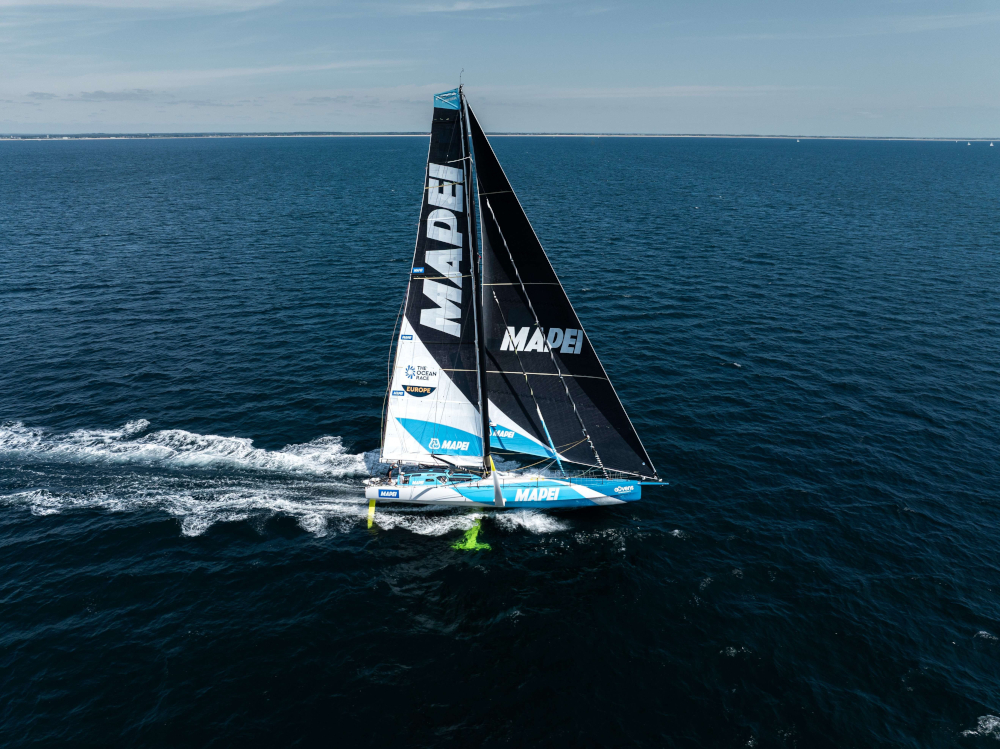
The teams are allowed a three-hour stop, with the countdown starting the moment they cross the finish line. Enough time for a shower, a brief media meeting, and then back out at sea. Matosinhos is the last stop before entering the Mediterranean, a more sheltered sea but well known for its challenging cross seas, often complex for IMOCA yachts that perform best in steady, medium-to-strong wind conditions.
Although short, the stopover in Matosinhos highlighted the commitment of local authorities: the teams were welcomed by an engaged crowd and an efficient organization. It is an investment in hosting The Ocean Race Europe, with broader ambitions for the future.
“This is just the beginning, a test to establish ourselves as a nautical sports destination with a strong focus on sustainability,” said Luís Pedro Martins, President of Visit Porto & North Tourism Board. “With our natural outlook on the Atlantic, we aim to host the Ocean Summit and, in 2029, become an official stage of the global Ocean Race, while Cascais will already host in 2026. We are even considering making Matosinhos the permanent headquarters of the Ocean Race organization.”
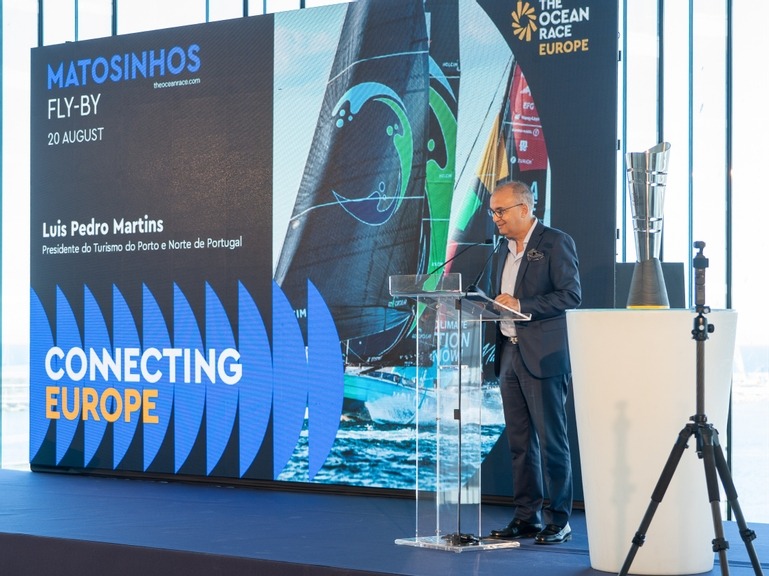
“The Ocean Race brand combines sporting values with sustainability, which we fully embrace,” Martins continued. “Here, we are developing studies for the protection of the sea. It has taken us too long to realize that even before the land, we must care for the oceans, and it is time to engage younger generations. The Ocean Race is a wake-up call: with its data collection and awareness initiatives, it is an excellent vehicle. At the same time, we want to further develop nautical tourism.”
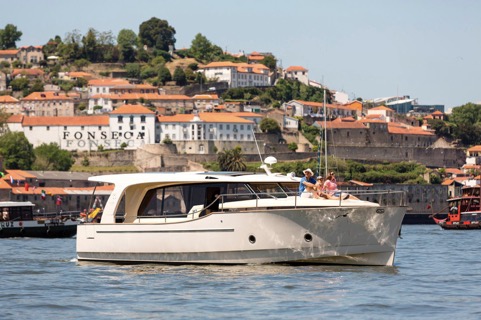
“We have 140 kilometers of coastline exposed to sun and wind,” Martins underlined, “and we are working to provide visiting yachts—sail or motor, of any size—with comprehensive assistance. Our coasts, with large white beaches and inland waters, are ideal for sailing, kite, surfing, and foiling.”
Dedicated areas such as Viana already offer fully equipped facilities and schools for all disciplines, along with marinas and ports for visiting yachts, including along the Douro River that runs through Porto.
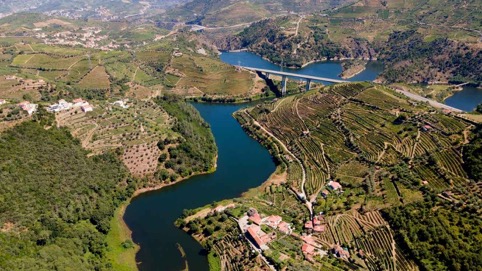
“In particular, we are working on developing nautical tourism with many experiences to enjoy: gastronomy with its variety of dishes and the focus on seafood (celebrity chef Ferran Adrià declared Porto’s fish to be the best in the world). Wine tours through the vinho verde cellars are a must, as is venturing into the final stages of the Camino de Santiago, along with many other historical and cultural experiences in the area. With The Ocean Race,” Martins concluded, “we want to attract both local and international tourism. These teams are our best ambassadors on the oceans for the Matosinhos brand in terms of competition and sustainability.”
Emanuela di Mundo
©PressMare - All rights reserved