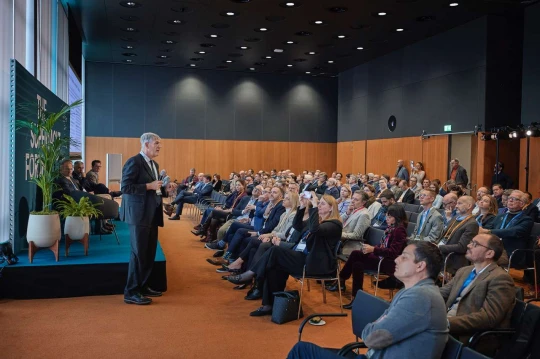
Net Zero Framework postponed: the superyacht industry takes a stance


During the Superyacht Forum in Amsterdam on November 18, a high-profile panel focused on greenhouse gas management in the superyacht sector took place, titled “IMO’s Net Zero Framework adoption pushed back another year – How to shape GHG policy”. The event highlighted how the IMO’s adoption of the Net Zero Framework, originally scheduled, has been postponed once againby one year, leaving the private and commercialshipping sectors without the regulatory push needed for fleet decarbonization, including yachts.
The delay, announced on October 17 following a direct intervention by then-President Trump, has raised questions about what went wrong, what lessons can be learned, and how the superyacht industry can proactively prepare for an uncertain geopolitical and regulatory landscape.
The panel was moderated by Lorenzo Pollicardo, Technical and Environmental Director at SYBAss, with experts including Julian Amith (Cayman Island Shipping Registry), Simone Bruckner (Sanlorenzo R&D), Engel Jan De Boer (Lloyd Register), and Robert Van van Tol (Water Revolution Foundation).
The debate was whether progress can only come through regulations or sectors can take a pro-active approach, anticipating future regulations and, in yachting’s case, ensure a path that is fit for purpose. Water Revolution Foundation launched a voluntary industry Roadmap 2050 last June, which was presented during this session including its quantified targets in 5 year increments for the 4 life cycle stages of a yacht: Design, Build, Operation and Refit. All yachting stakeholders are connected by one of these four categories and have a role to play. “The Roadmap is a compass to navigate unchartered waters together.” said Van Tol.
Sanlorenzo continues to invest in new technology to embrace alternative energy sources confirmed Bruckner. However, more is needed than only product development, local infrastructure and updated marina (bunker) policies are examples. Lloyds Register supports pro-active initiatives and has formed the Yacht Safety & Environmental Consortium (YSEC) to facilitate that and to move forward as group of class societies active in yachting.
Tools that can help to reach these goals are the Yacht Environmental Transparency Index (YETI), a 5+ year joint industry project to assess and compare yachts on their operational environmental credentials. On the human side, the environmental crew guidelines were mentioned to reduce energy, waste and water on a daily basis onboard. And for the existing fleet the quickest, cheapest and most impactful reduction can be accomplished through switching to HVO.
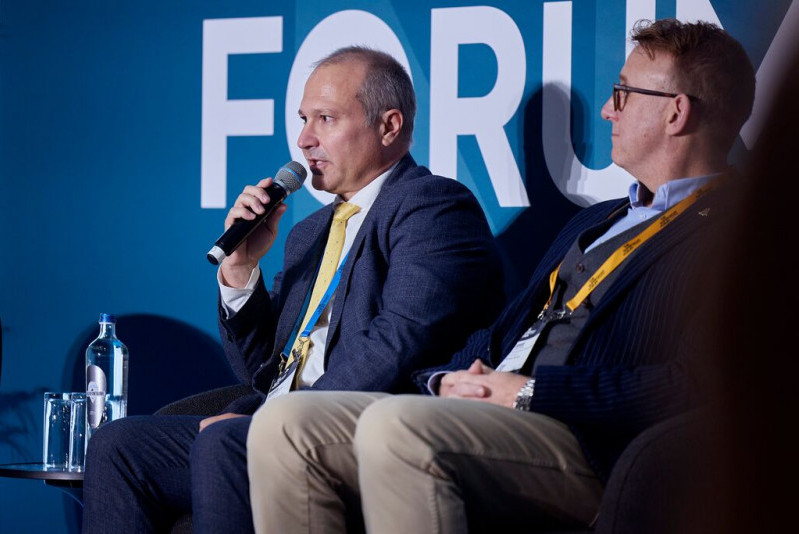
Ocean Assist: A New Tool for the Industry
At the center of the discussion was the Ocean Assist program, promoted by the Water Revolution Foundation, aimed at converting voluntary industry actions into certified, measurable investments for ocean conservation. Vienna Eleuteri, Vice President of the Foundation, explained that Ocean Assist turns donations and offsets into units generated by tangible projects, including blue carbon restoration, marine biodiversity recovery, and coastal community regeneration. Transparency is ensured through independent verification according to ISO 14064 part 3 standards, avoiding greenwashing and guaranteeing measurable outcomes.
Georgina Van Henniet, Head of Sustainability at Burgess, emphasized the practical value of the program for daily fleet operations: beyond reducing environmental impact, it prepares crews and operators for future regulatory requirements, translating emission reductions into certified, actionable results.
Challenges and Opportunities: From Regulation to Daily Practice
A major topic was the relationship between international regulation and voluntary industry initiatives. Fiorenzo Spadoni (RINA) highlighted how ISO certification provides credibility and rigor, distinguishing solid programs from marketing claims. The Both panels also discussed technological and operational limitations, such as using alternative fuels like methanol in various vessel constructions and the need for crew training, emphasizing that innovations must be implemented safely and with the right infrastructure.
Georgina Menheneott noted that practical adoption is still in its early stages: the global fleet comprises around 6,000 yachts over 30 meters, with 170 new units delivered annually. Managing emissions requires a gradual but systemic approach, starting with measurable portions of the fleet and assets while anticipating future IMO regulations.
Robert Van Tol compared fiscal toolsupcoming carbon taxing with offset programs like Ocean Assist, showing how voluntary participation today can prepare owners and operators for stricter future regulations, optimizing both cost and positive impact.
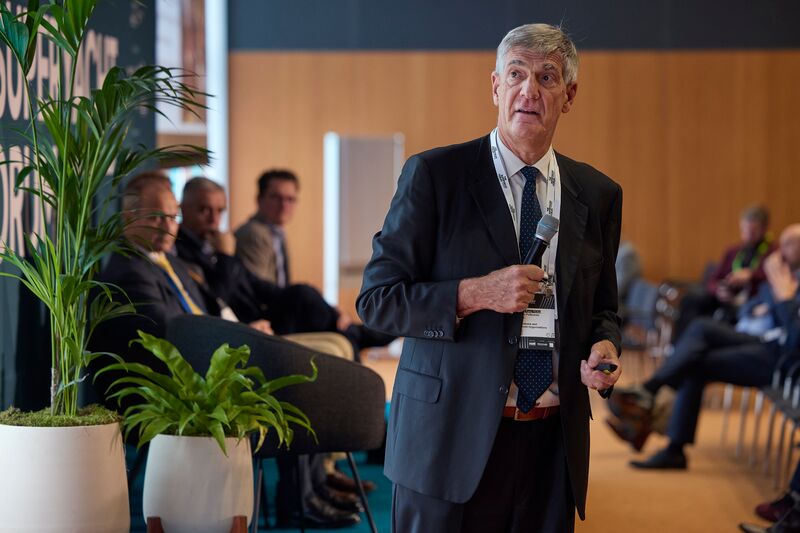
Current Status and Outlook
The delay in adopting the Net Zero Framework represents a strategic opportunity for the superyacht industry: the unregulated fleet can develop and implement sustainable practices in advance, potentially influencing future IMO guidelines for small ships and yachts. The forum’s key message was clear: immediate action, transparency, and collaboration among operators, foundations, and certification bodies are essential to building a sustainable, future-ready sector.
In conclusion, even in the absence of immediate obligations, the industry has a clear path: adopt tools like YETI to reduce and support programmes like Ocean Assist to restore, anticipate regulatory requirements, and create a measurable positive impact on the oceans, turning the challenge of decarbonization into an opportunity for leadership and innovation in the superyacht sector.
Filippo Ceragioli
©PressMare - All rights reserved