Yacht charter and high-end tourism: MYBA in Sanremo discusses economic impact, marinas and competitiveness


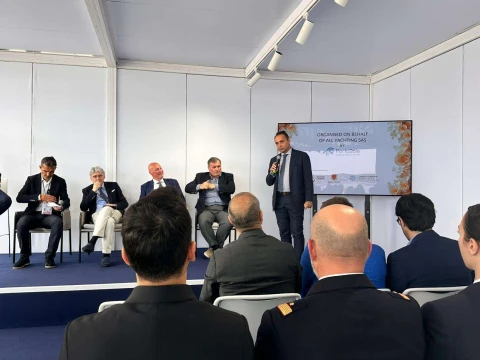
Yacht charter as a driver of high-end incoming tourism, but also as an industrial sector capable of generating jobs, taxation, services and local economic impact. This was the central theme of the conference “Nautica Charter: the value of high-end incoming tourism”, held at PortoSole Sanremo during the opening day of MYBA, the Worldwide Yachting Association, an international organization founded in 1984 and a professional reference point for the superyacht sector.
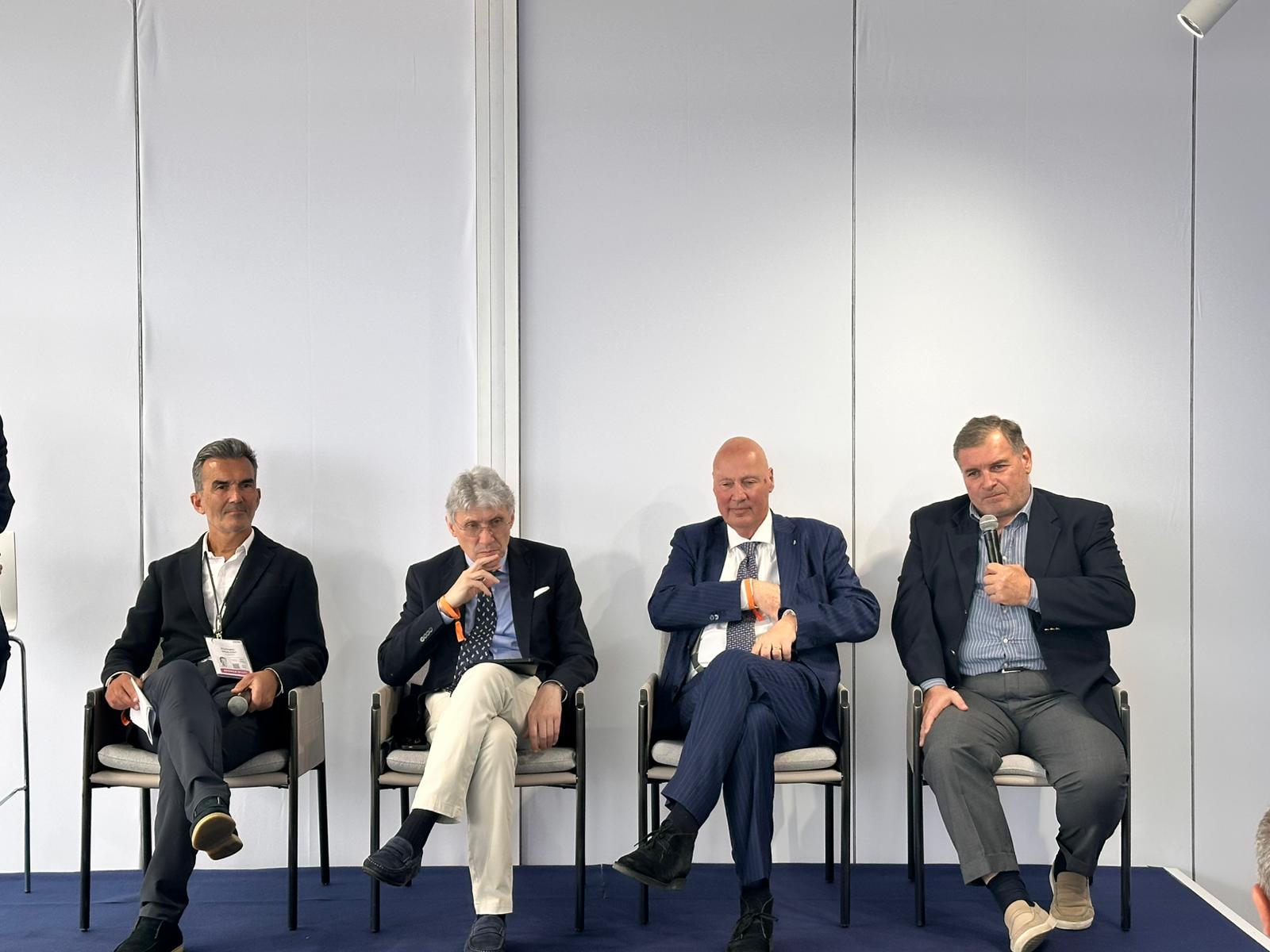
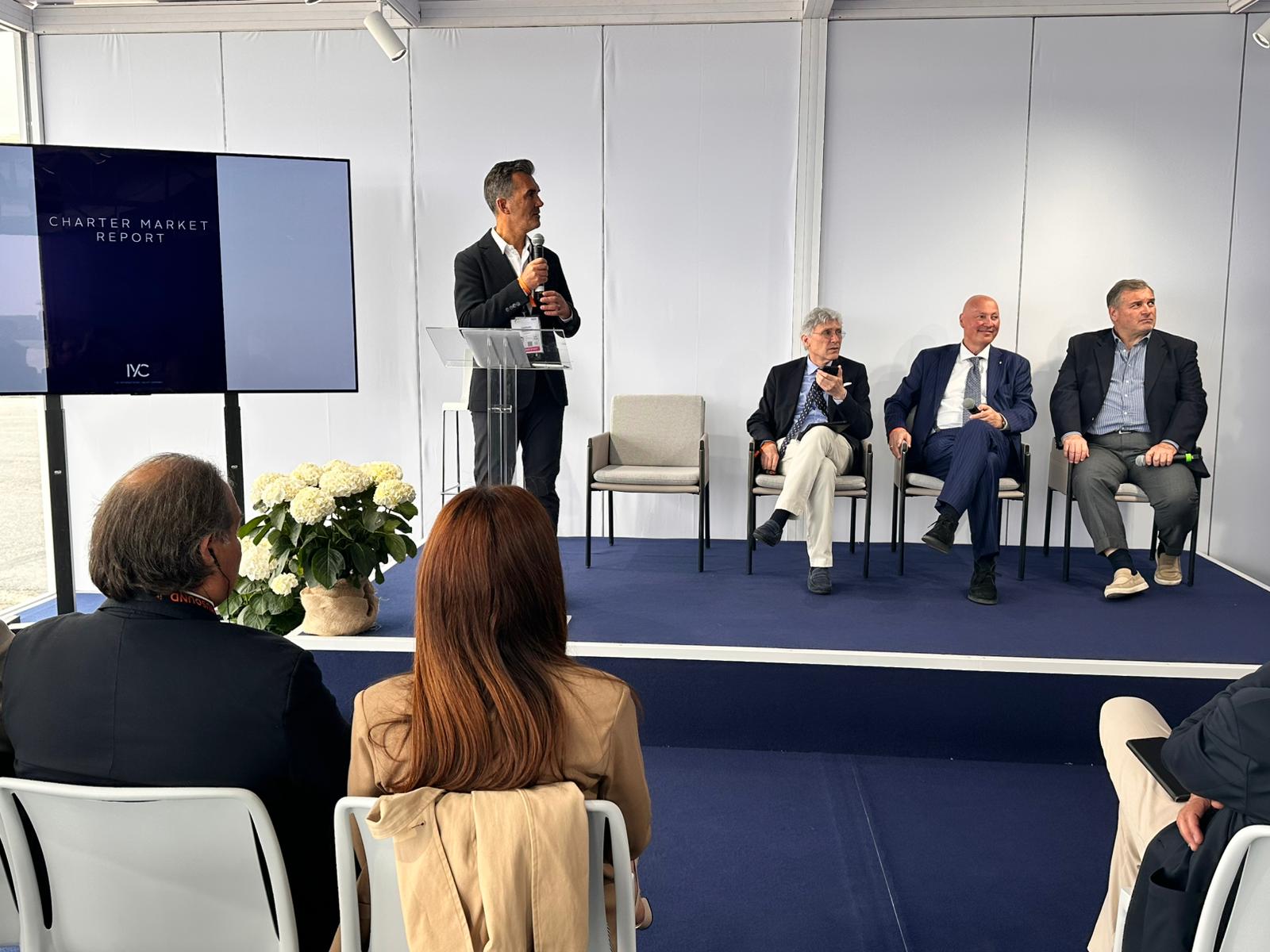
The meeting, introduced and moderated by journalist Nicola Capuzzo, editor of Superyacht24, brought together institutional representatives, associations and industry operators: Raphael Sauleau, MYBA President; Giorgio Casareto, CEO of PortoSole Sanremo; Roberto Perocchio, President of Assomarinas; and Raoul de Forcade, journalist at Il Sole 24 Ore. The discussion also included institutional contributions from the Liguria Region and the Municipality of Sanremo.
The underlying issue was clear from the outset: charter cannot be considered only as a seasonal activity linked to the use of yachts and superyachts, but as a complex supply chain involving marinas, shipyards, refit, technical services, crews, agencies, suppliers, hotels, restaurants, retail and transport.
As Liguria regional vice-president Alessandro Piana recalled, the blue economy is a significant part of the region’s economic identity. The regional system includes around 40 marinas, more than 20,000 boats, 100,000 people employed in the sector and an induced economic impact close to €5 billion. In this context, the arrival of MYBA in Sanremo is seen as consistent with the territory’s maritime and tourism vocation.
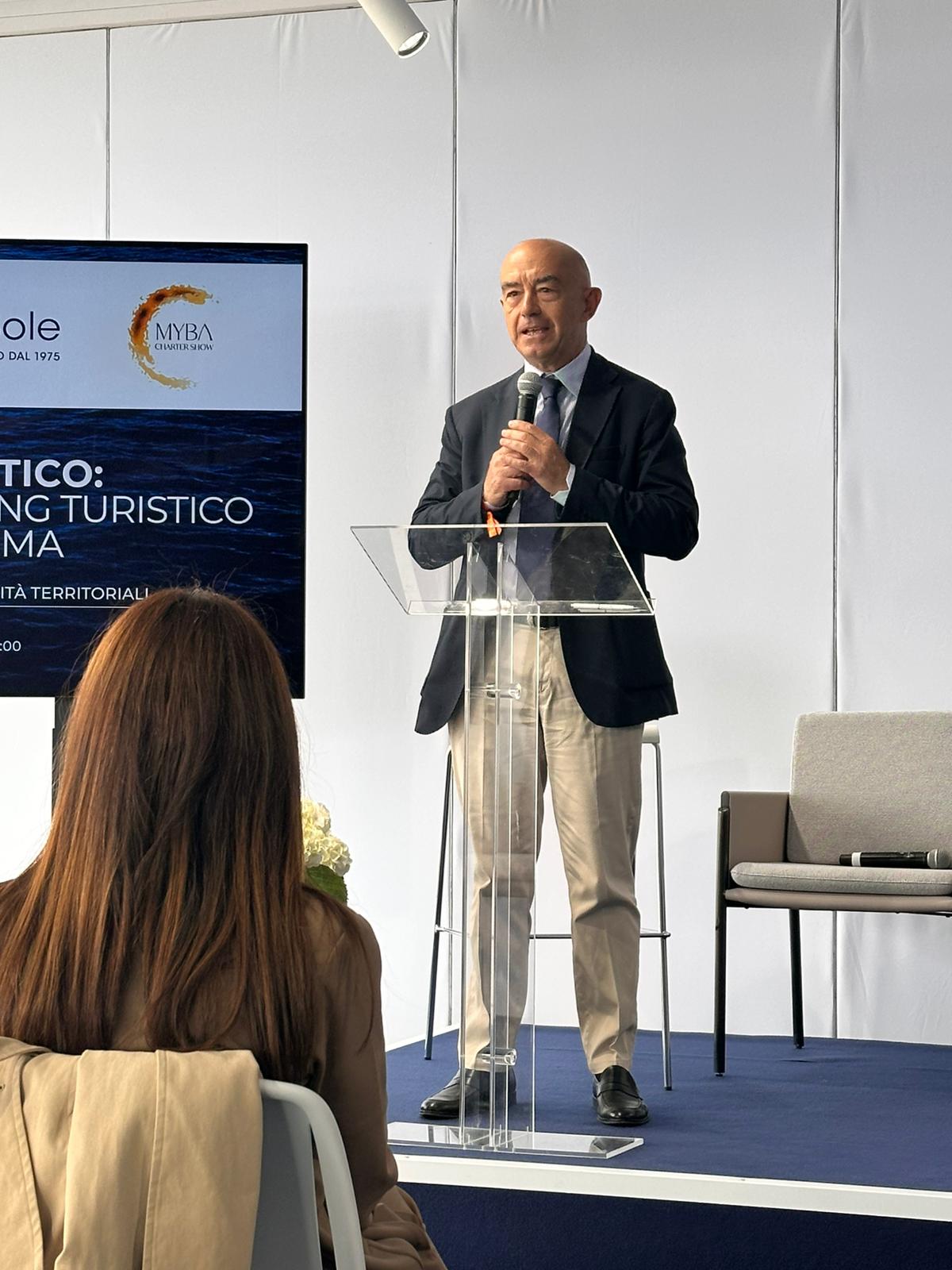
Mayor Alessandro Mager also underlined the value of the event for the city, noting that Sanremo has a consolidated tradition in organizing events with international impact, but had not yet hosted a yachting event of this level. The mayor also raised an interesting point: the possibility, while respecting the security and confidentiality requirements of a professional event, of bringing the city closer to the show, allowing residents and tourists to better perceive the presence and value of the yachts on display.
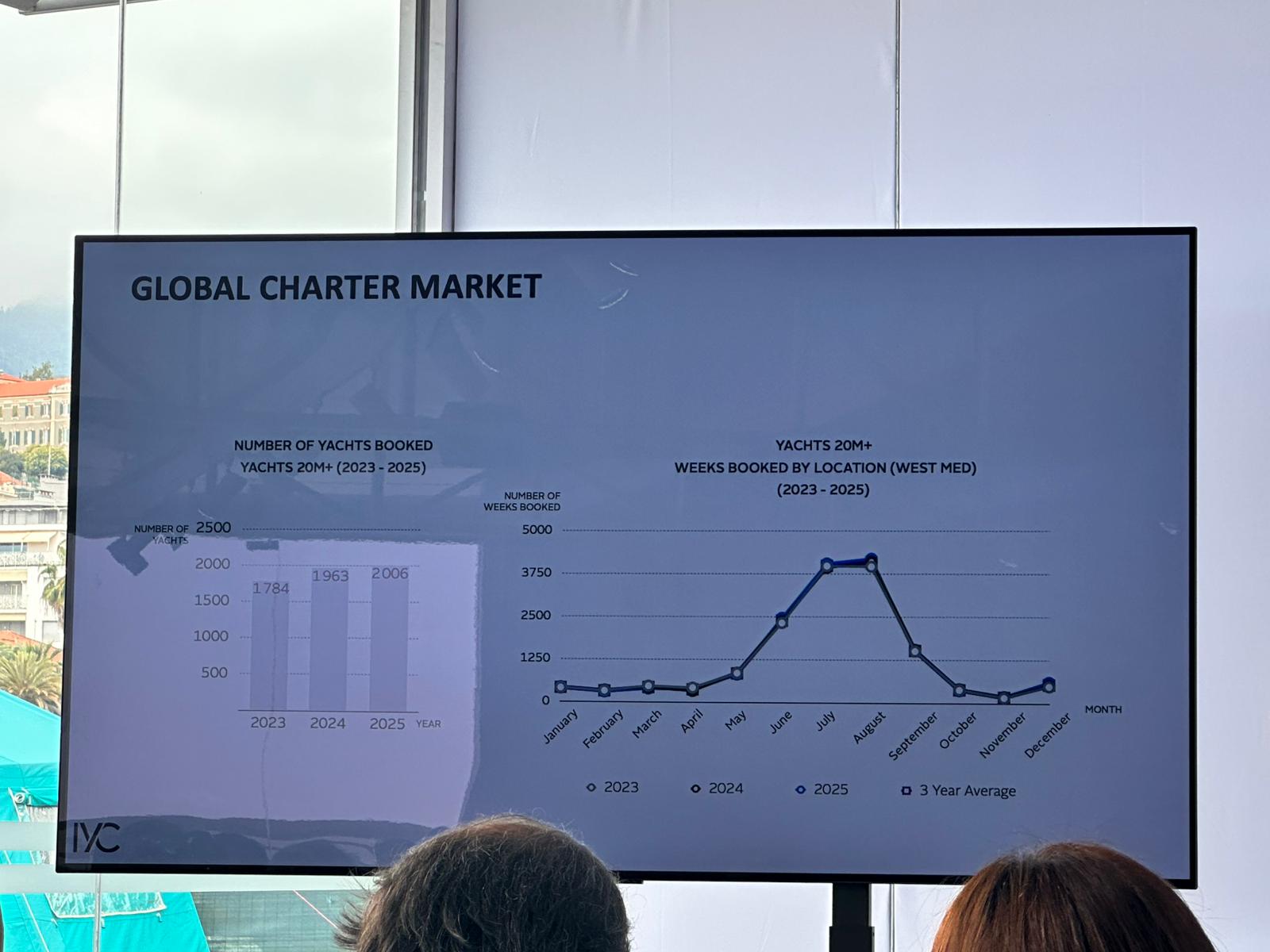
The market overview was presented by Raphael Sauleau, who illustrated MYBA data on the global, Mediterranean and Italian charter sectors. The association’s president recalled that the Sanremo show brought together 87 yachts, international brokers and exhibitors, confirming a positive start for the event’s new venue.
Internationally, the charter market has shown significant resilience in recent years. After the strong growth recorded in the post-Covid period, the market has entered a more normalized phase, while still showing positive signals. Sauleau noted that the Mediterranean remains one of the key areas for the sector, with a season that, if properly managed, can extend for 10 to 12 weeks and continue into September, a month considered particularly interesting also due to the presence of major events.
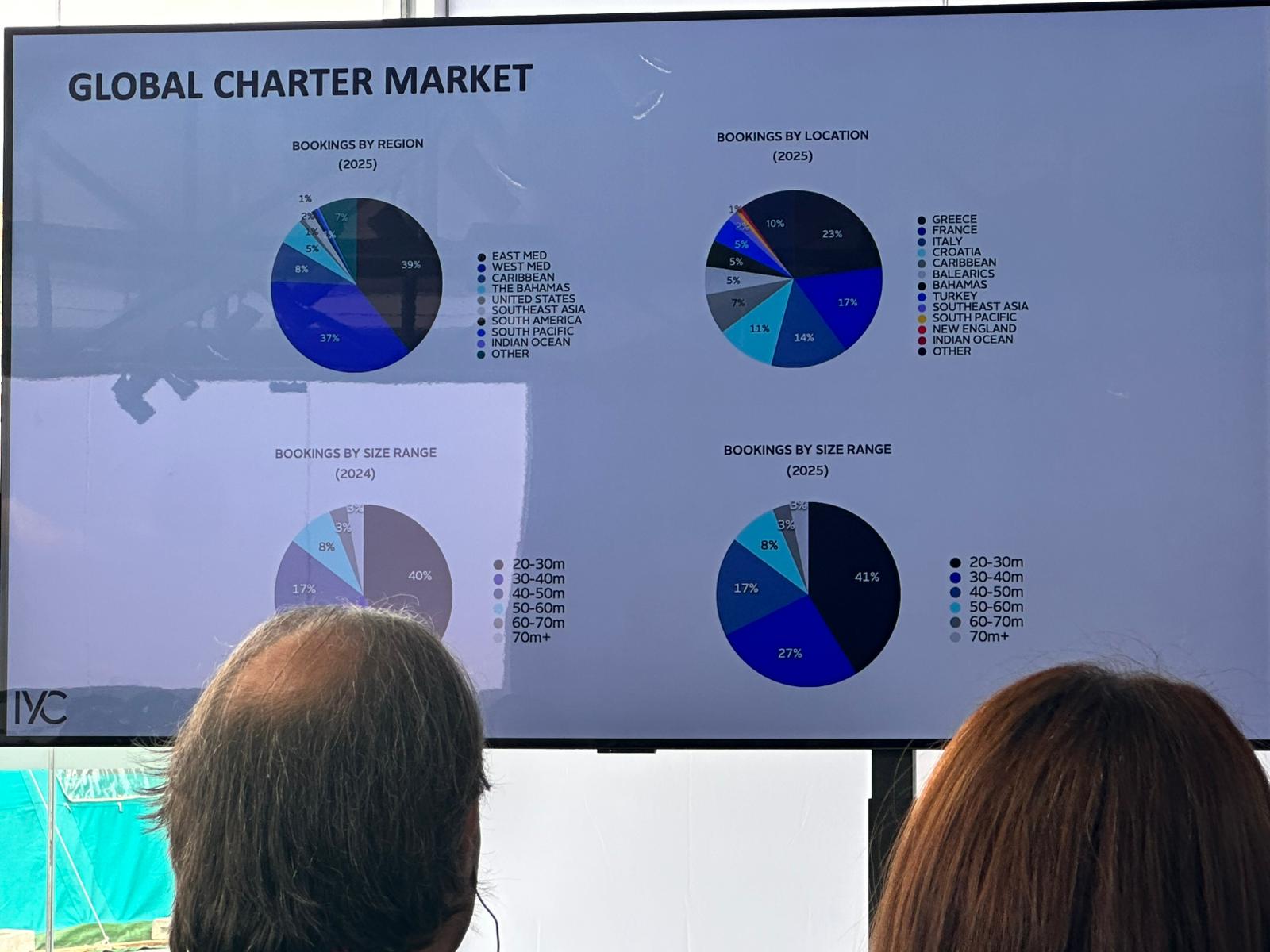
In the Western Mediterranean, France, Italy, Spain and Croatia remain important reference points, with France still ahead and Italy indicated as one of the most relevant markets. According to the data presented, Italian charter recorded a slight contraction in 2024, later offset by a recovery, partly thanks to greater clarity in procedures and the operating framework.
A recurring topic in the discussion was the average size of yachts. Units between 24 and 40 metres account for a significant share of the market, but demand is growing for berths and services for larger yachts. This requires marinas to make a substantial infrastructural step forward: adequate depths, reinforced quays, manoeuvring space, shore power capacity, technical services and hospitality facilities for crews and guests.
Giorgio Casareto offered a clear interpretation: charter yachts should be considered, in every respect, as companies. Not just boats, therefore, but economic units that generate employment, salaries, taxes, purchases, services and tourist flows. According to Casareto, viewing these units as “working boats” helps to better understand the value they produce for the territory.
The key issue, he explained, is that Italy is often a destination, but not always a departure point for charter. When a charter originates elsewhere, most of the preliminary expenditure remains in other countries: guest arrivals, hotel stays, provisioning, bunkering, services, yacht preparation and crew support. If, on the other hand, the charter starts in Italy, a more significant share of the induced economic impact remains in the territory.
Hence the need to act on simplification, fiscal competitiveness and hospitality capacity. Casareto stressed that direct incentives are not always necessary: often, a more streamlined procedure itself becomes an economic advantage, as it reduces time, administrative costs and complexity for operators and owners.
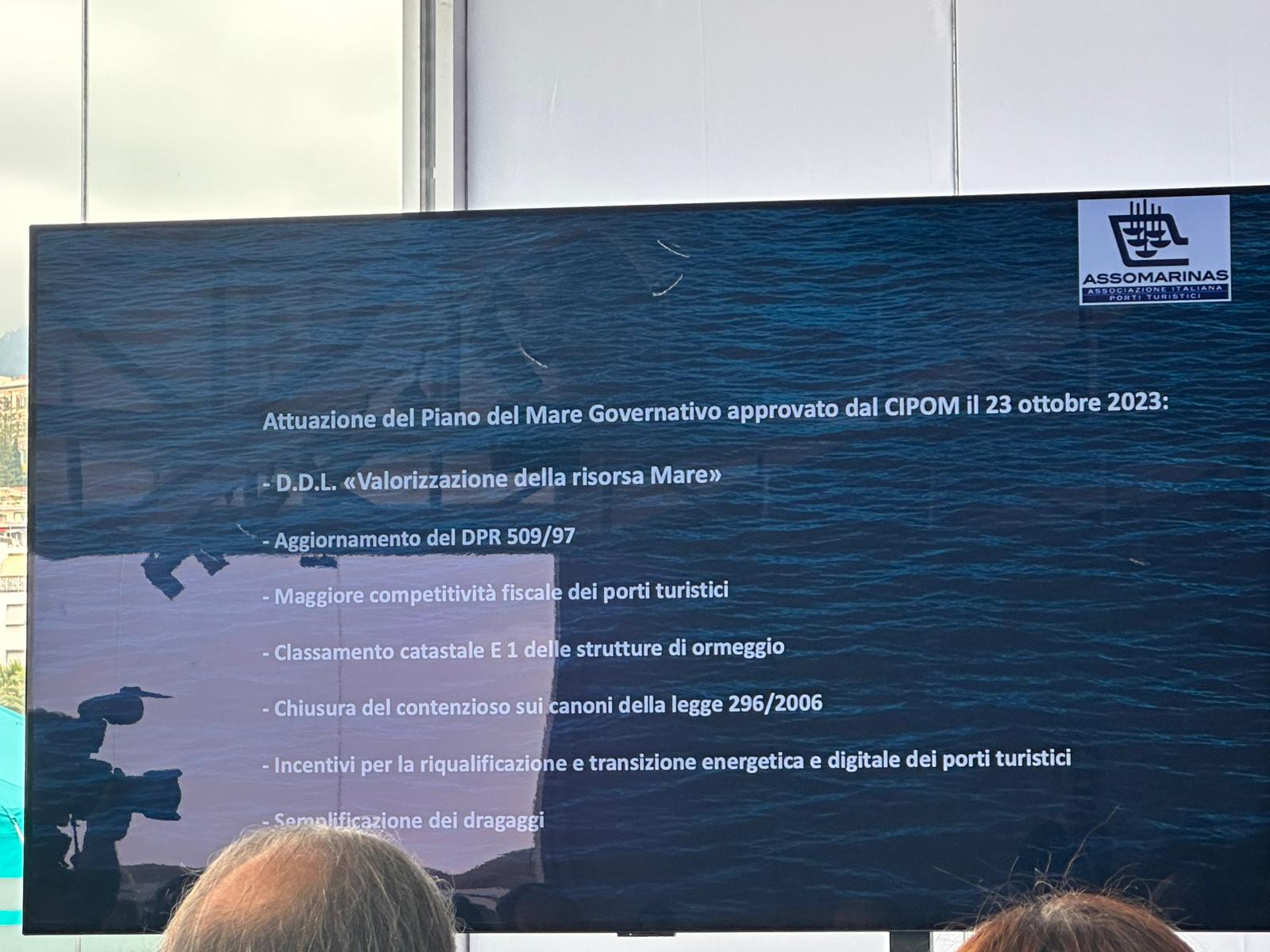
This issue is closely linked to marina infrastructure. Roberto Perocchio spoke of a “renaissance” of Italian marinas, while recalling that the transmission chain of investments is long. Assomarinas is working with institutions to update the regulatory framework for tourist ports, particularly the special reference legislation, with the aim of facilitating investments, redevelopments and service conferences.
Perocchio listed several projects underway or under development: Lamezia Waterfront in Calabria, with a focus on maxi yachts; the redevelopment of the port of Cagliari with works at Calata Sant’Agostino; the Fiumicino Waterfront project, integrating a cruise port and a superyacht marina; Porto Mediceo in Livorno; the rationalization of Molo Brin in Olbia, with capacity for yachts up to 150 metres; Marina Arcipelago Toscano in Piombino; and Palermo’s Molo Trapezoidale, designed also to accommodate large yachts in an urban setting.
Beyond individual projects, the issue is structural. Demand is shifting toward larger yachts and Italy must adapt its offer. Perocchio recalled that building larger berths requires major investments and complex procedures: deeper waters, more manoeuvring space, reinforced quays, greater electricity supply, dedicated substations and landscape authorizations. The power standard required by large yachts can be very high, with direct implications for infrastructure design.
Another area of work is dry storage. Perocchio observed that storing smaller boats ashore can free up water space for larger yachts, improving the overall efficiency of marina basins. Across Italy, 45 coastal locations are reportedly involved in projects or works for new marinas or redevelopments.
The president of Assomarinas also referred to the bill on the enhancement of the sea resource, highlighting in particular the rule on nautical leasing with a captain. This is a relevant step for units under 24 metres, as it allows rental to be linked to a qualified professional figure, responding to demand from foreign clients wishing to visit the Italian coast with regular technical assistance on board.
The topic of training and crews was also taken up by Casareto, who pointed out an Italian weakness: the country has strong leadership in yacht construction, but does not express the same level of presence among crews. According to the PortoSole CEO, this is an area that deserves a more structured reflection.
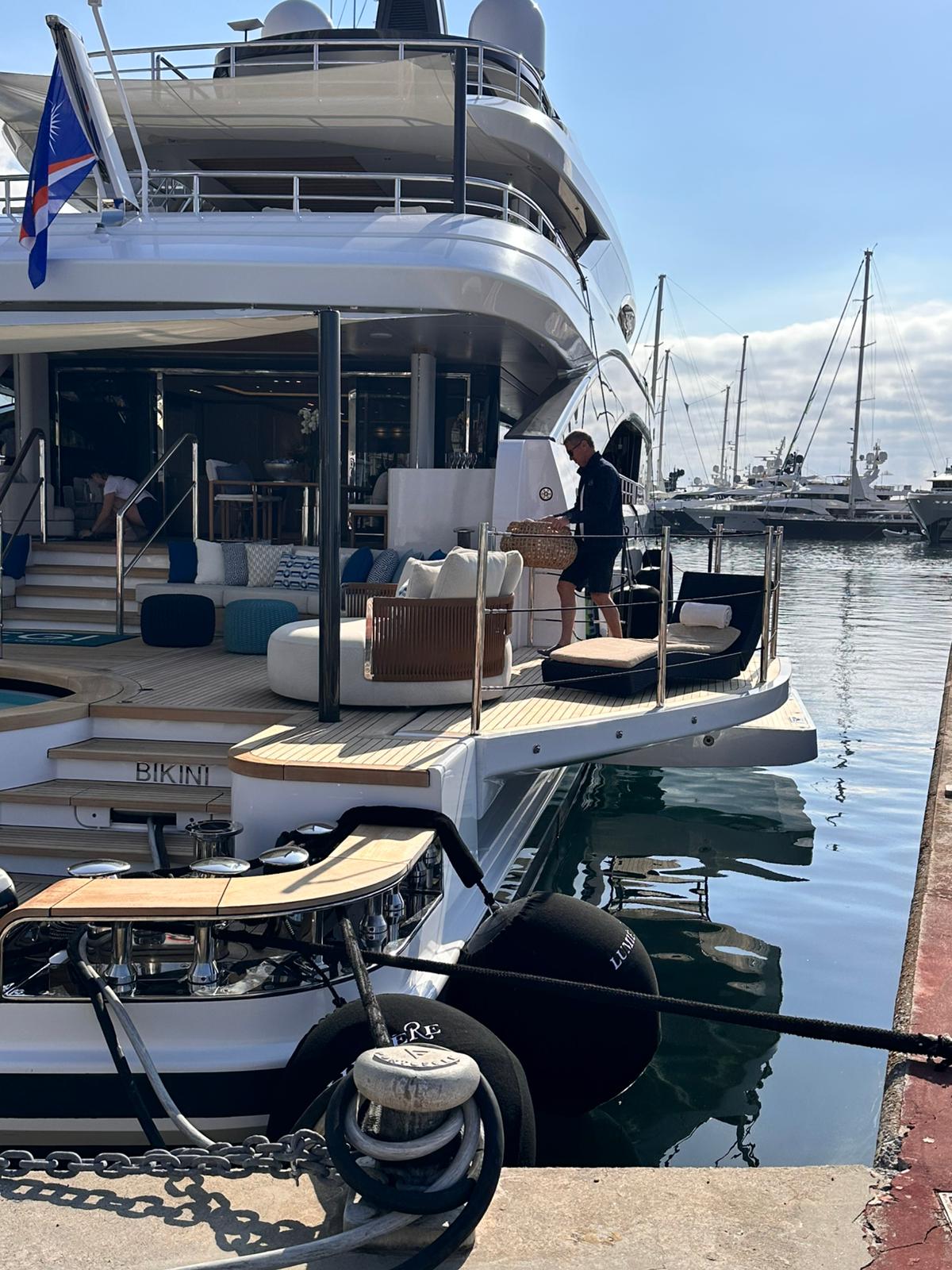
Raoul de Forcade placed charter in a broader scenario, observing that several shipyards, including Italian ones, are entering this market directly or indirectly. The interest is not only related to the economic return of the units, but also to the possibility of building customer loyalty: through charter, clients can approach a brand and later become yacht owners.
The journalist mentioned the tendency of groups such as Azimut|Benetti and Sanlorenzo to structure dedicated divisions and activities, interpreting charter as a relationship-building tool as well as a way to use the product. This dynamic appears consistent with the sector’s growth data, including in Italy. According to the figures cited by de Forcade, in 2025 a significant share of the companies surveyed by Confindustria Nautica reported growth in turnover from rental and charter, while forecasts for the 2025-2026 nautical year remain oriented toward further improvement.
The overall picture of the yachting industry is not without tensions. De Forcade recalled that some segments, especially small and medium-sized boating, are experiencing a less simple phase, and that major shipyards are also undergoing significant transformations. In this context, charter appears to be a more resilient component, supported by international demand that continues to look at the Mediterranean.
Sauleau confirmed that, despite geopolitical instability, the charter market does not currently appear to be significantly penalized. American demand remains decisive, and some clients tend to prefer areas perceived as closer or safer, such as the Bahamas and New England. Nevertheless, Italy continues to be regarded as competitive in terms of value for money, especially compared with other Mediterranean destinations.
Italy’s competitiveness, therefore, is not only about the beauty of its coastline. A destination must offer services, infrastructure, operational efficiency and continuity between sea and land. This point was also recalled in the conclusions: yachts and marinas are essential tools, but the real destination must become the territory. The value does not end with the yacht berthed at the quay, but lies in the quality of the services guests find once ashore.
In his speech, Senator Gianni Berrino referred to the work carried out on the bill dedicated to the sea resource, currently before the Chamber of Deputies for final approval, underlining the importance of clearer rules to develop the sector. Among the topics mentioned were nautical tourism, marinas, shipyards, charter, sea routes and the enhancement of the Pelagos Sanctuary.
Berrino also cited an issue still to be addressed: the possibility of overnight stays aboard yachts without sailing, a practice that today still lacks a fully defined regulatory framework. If properly regulated, it could represent an additional opportunity for the marina system and for local territories.
The conference therefore offered a broad and detailed picture. High-end charter is a growing sector, but competition between destinations is increasingly played out on concrete factors: taxation, simplification, infrastructure, shore power, crew professionalism, hospitality capacity and territorial quality.
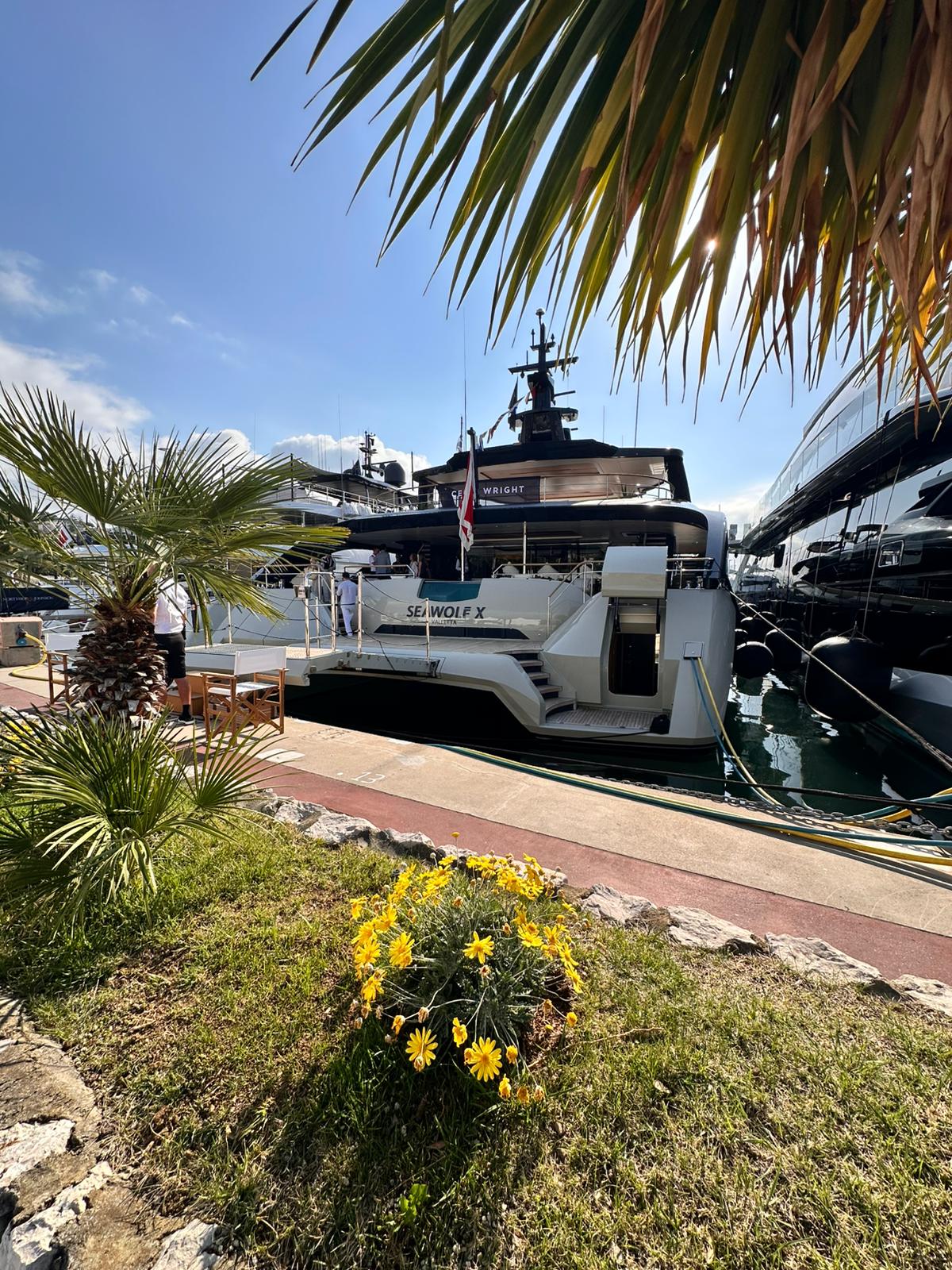
For Italy, which remains among the world leaders in yacht and superyacht construction, the challenge is to transform this industrial leadership into a greater ability to retain value also during the operational phase of the yachts. Not only building the boats, but hosting them, servicing them, making them depart from Italian ports and integrating them into an advanced tourism offer.
With the arrival of MYBA at PortoSole, Sanremo enters this broader game. A game in which charter is no longer just a service for owners and guests, but a component of the country’s industrial and tourism policy.
Emanuele de Mari
©PressMare - All rights reserved